


Let’s start with a basic assumption: the consumer is looking for experiences rather than just objects. Purchase decisions are, in fact, predominantly determined by instinct and follow implicit processes.
Obviously, rationality remains a fundamental component of decision-making processes, and individuals have good introspective access to it; however, the relevance of the emotional component, which often acts outside of subjective awareness, has become fundamental.
For this reason, the “product” has had to adapt, seeking to generate a sort of optimal sensation: every one of its elements and details is analyzed and judged as significant, consistent, or inconsistent with respect to the overall image intended to be communicated. Not infrequently, therefore, the emotional and perceptual aspect of a product has more relevance to people than the functional one.

The two consumer approaches during investigation
When we need to evaluate an object, a product, a commercial, or a person, two components are activated:
Evaluative and rational
- The person is largely aware of the process they are participating in.
- The cognitive experience can be expressed verbally during an interview, a questionnaire, or a focus group.
Traditional investigation techniques are “ex-post,” meaning they take place in a different place and at a different time compared to the experience itself.
Evaluative and rational
- The person does not have full awareness.
- The emotional experience is difficult to verbalize: we cannot say with precision what attracts us and what kind of reaction an object generates within us.
New survey methodologies allow for the recording of data while the experience is taking place. The integrated use of methodologies and tools derived from cognitive neuroscience allows us to monitor every single interaction between the brand/product and the consumer.
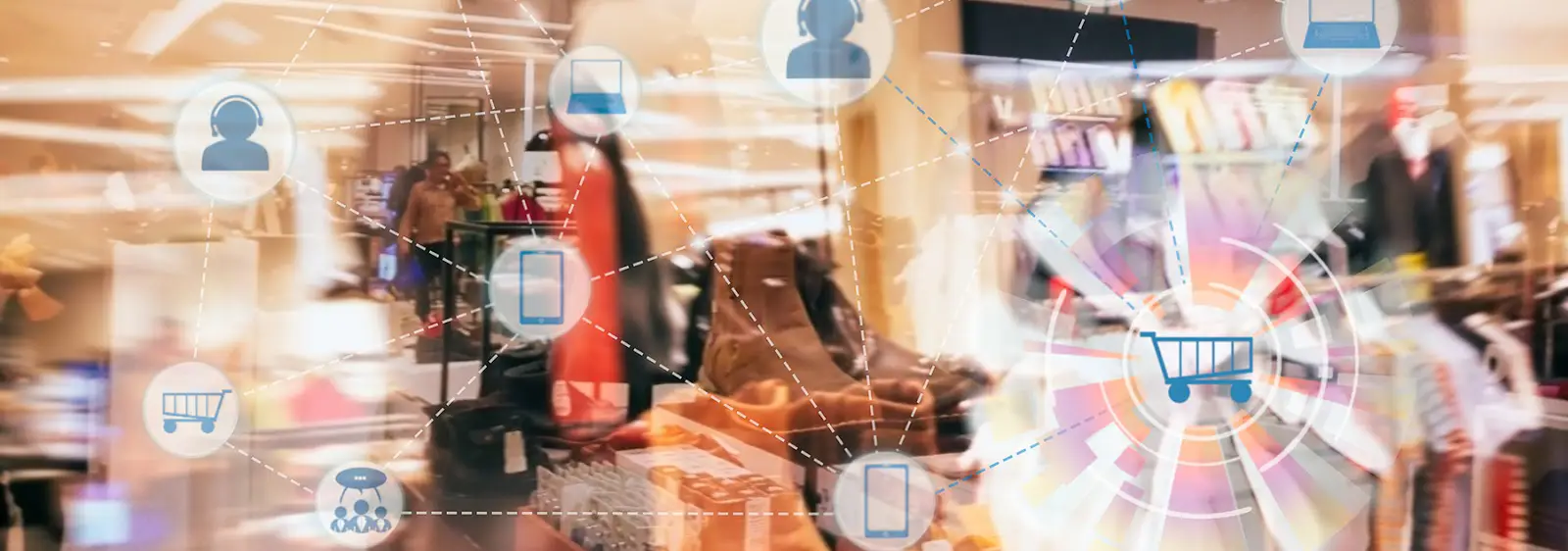
The touchpoints scenario
By managing the touchpoints, we are able to:
- Define the consumer/user experience from multiple points of view: cognitive, emotional, and attentional.
- Measure the effectiveness of communication, the interface, the product, or the packaging in different contexts.
- Identify key strengths and weaknesses that influence perception and judgment.
The locations and methods of contact are also important: we analyze consumer and user experience in real-world contexts, in labs, and across different devices.
The future is omnichannel; consumers can begin their buyer journey on one channel and complete it on another.
For this reason, it becomes fundamental to analyze interactions from multiple access points and make the flow experience optimal for different targets.
Want to know more? Contact us