


High school graduation exams are a fundamental milestone in people’s lives. Each of us remembers our own exam. We remember the emotions we felt because a life cycle was ending. There is a desire to close with the past and leap into the future, but there is also a fear of this jump. In short: it is a very important period.
Frenetic reviewing invites us to reflect on reading. There are various types of reading: exploratory, selective, intensive, and extensive.
Various studies show that when a person is unfamiliar with the text and is reading it for the first time, their scanning is very regular, slow, word-for-word, and line-by-line, as shown in the video:
Reading vs. Reviewing
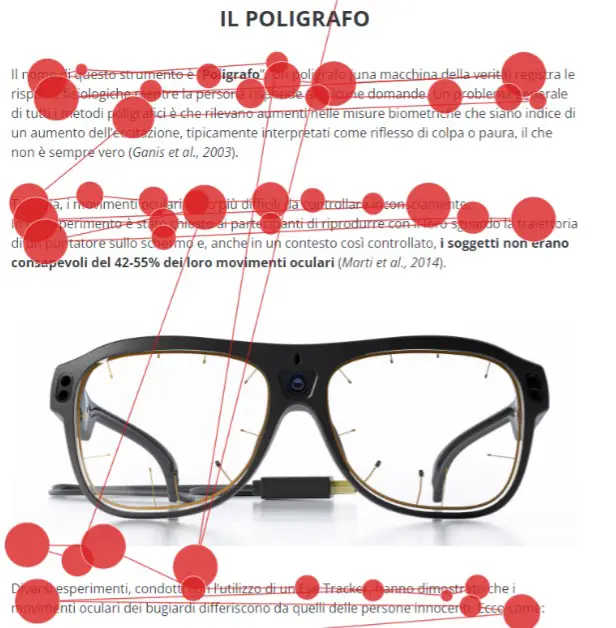
When we need to review a previously studied text, the page scanning happens in a “jerky” or staggered manner, and the central elements become the titles, the beginnings of paragraphs, and the ends of paragraphs.
Furthermore, salient elements such as words in bold or italics are read, and images are noticed. This type of dynamic occurs when we are searching for precise information in the text or when we are “reviewing” key points for the next day’s exam. In this case, what is known as “vertical reading” is implemented because it does not follow the natural flow but focuses on fundamental points.

The eye is completely trainable
As in sports, the eye is also totally trainable in this type of exercise; speed reading techniques can be enhanced by learning them through the observation of an expert and replicating those same procedures. The person can then review their own performance in order to keep improving.
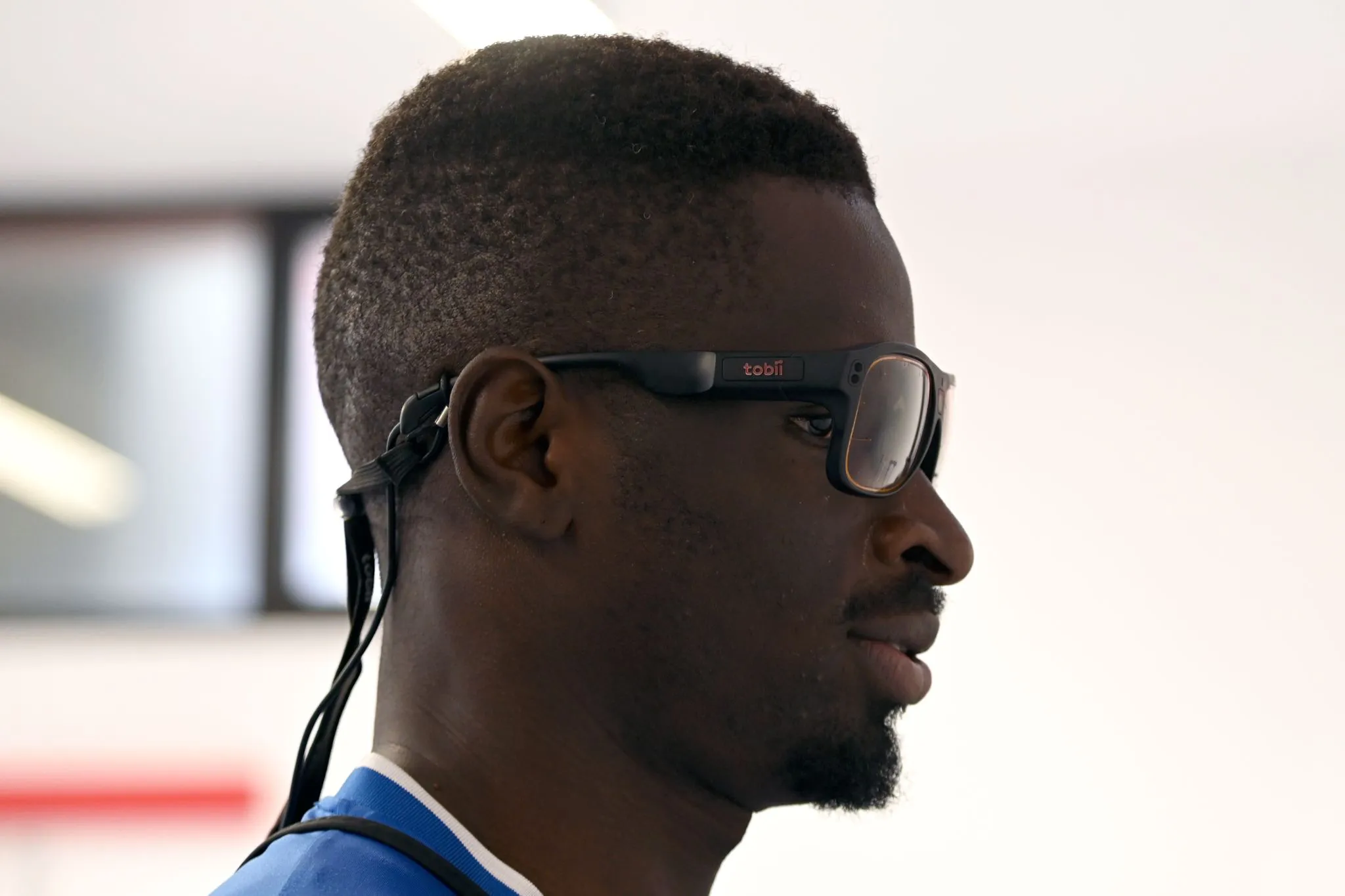
These studies are fundamental when we consider the range of applications for eye tracking. In marketing, for example, a test of this type can be useful to show those who design and produce advertising copy which elements of the text are perceived as salient and which immediately attract the users’ eyes.