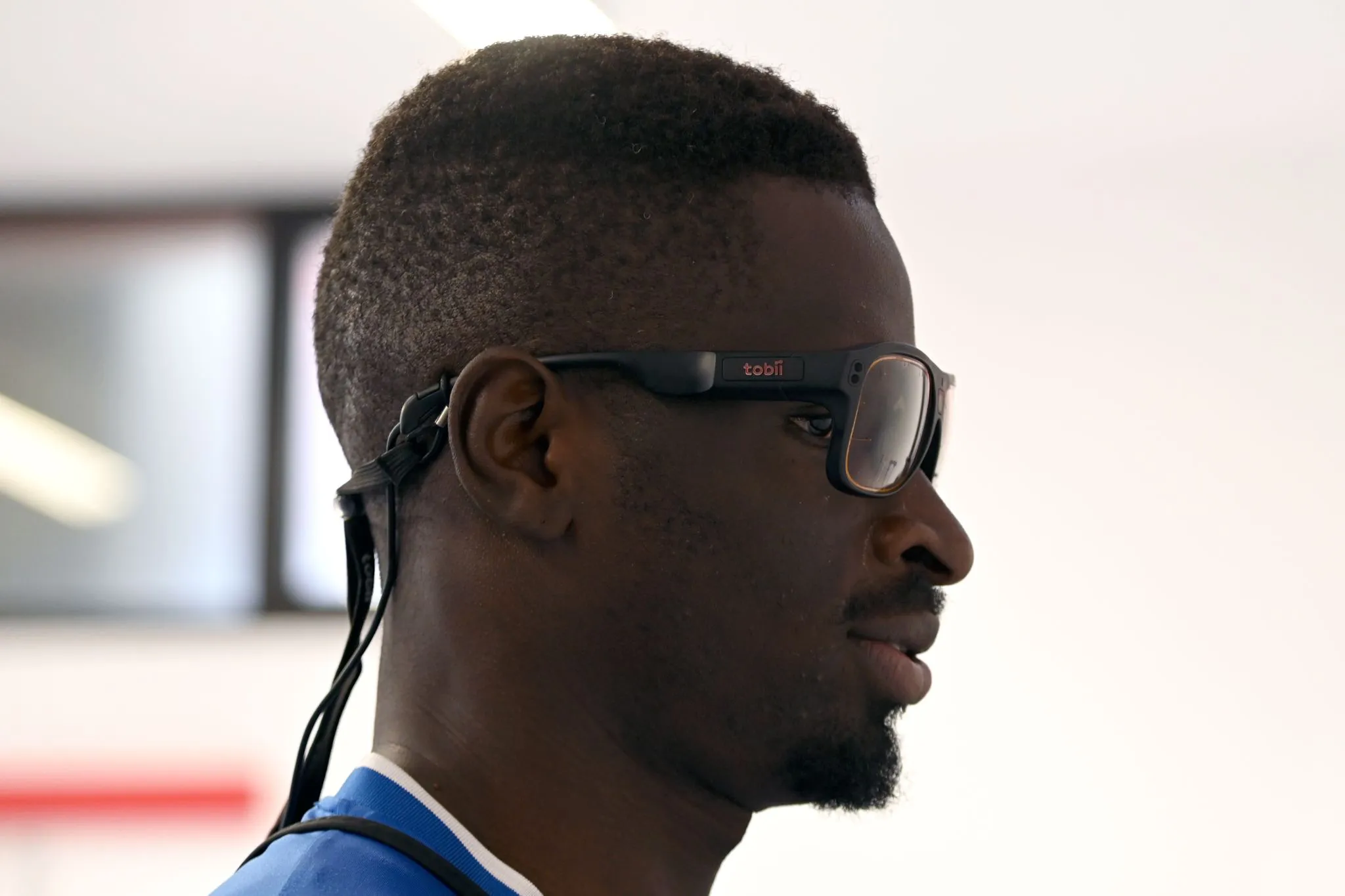


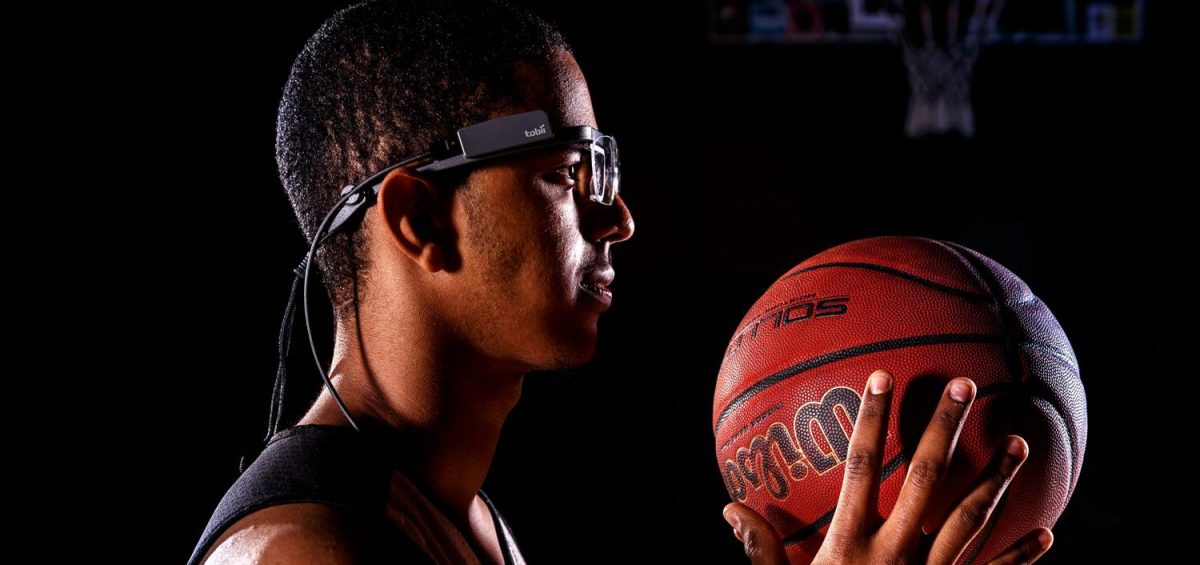
Sport has always benefited from technological progress, and we are currently experiencing the most prosperous moment ever recorded in this relationship.
Today, it is possible to monitor a whole series of biometric and physiological parameters in real-time, such as muscular, metabolic, and respiratory activity, as well as attentional and concentration processes. Furthermore, it is possible to monitor and enhance another very important aspect that was previously overlooked: vision.
Vision in sports
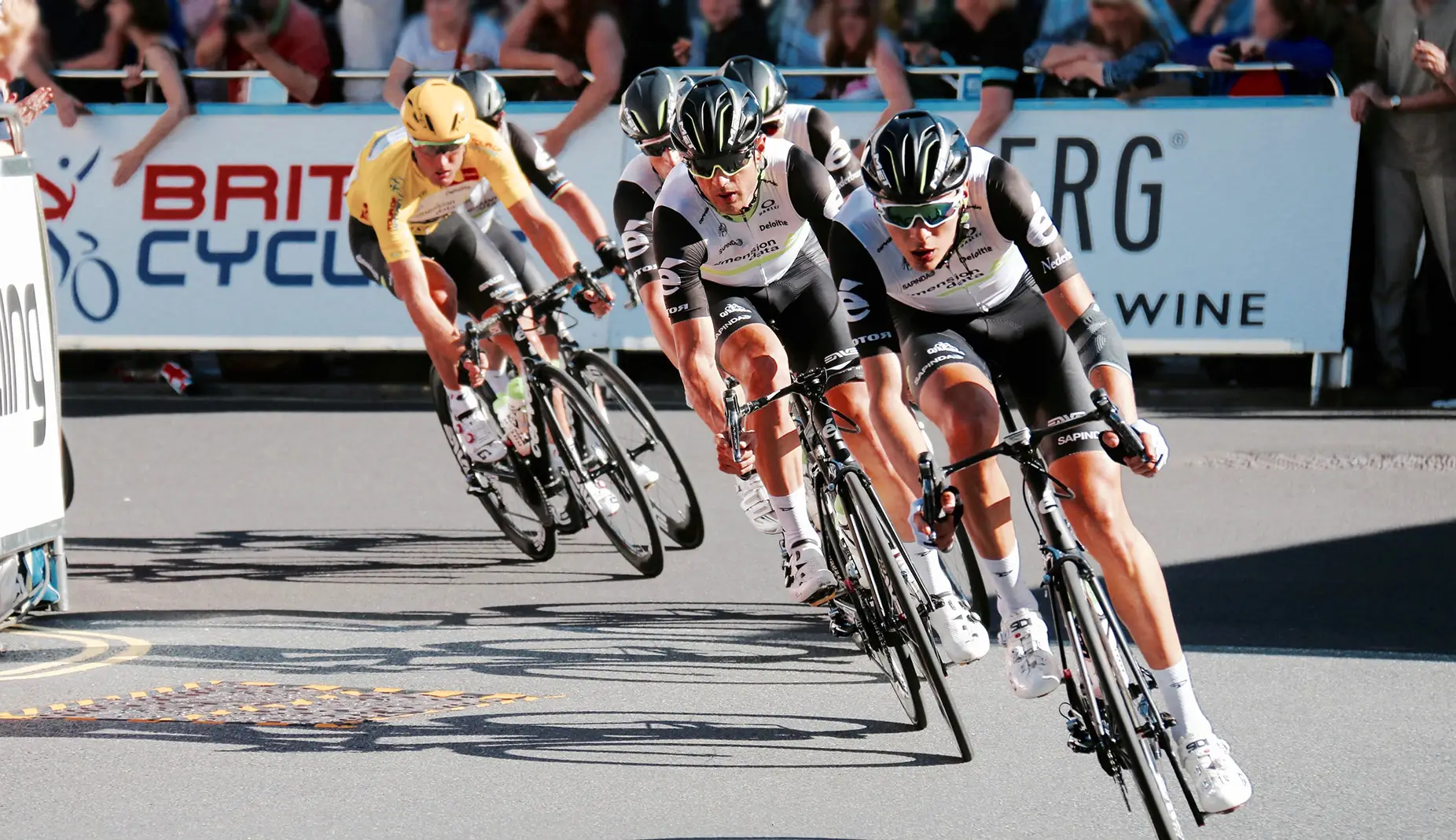
Vision is a fundamental aspect of athletic performance as it directly influences its effectiveness and quality.
Visual behavior is of vital importance as it determines:
- the precision with which we explore the environment;
- the reactivity with which we perceive its elements (an opponent trying to counter me, a ball whizzing by at 90 km/h);
- the speed with which we react to its changes.
Eye tracking: potential
Thanks to eye-tracking technology incorporated into glasses, it is now possible to “see the action through the athlete’s eyes”.
- The system is non-invasive.
- It allows for the recording of eye movements of subjects in interaction.
- It provides qualitative, quantitative, objective, and reproducible results.
Subjects can be monitored in different phases and for different purposes.
The most common experimental flow consists of three steps:
- measurement of baseline visual performance during normal training to identify behaviors deemed functional to sports performance success;
- design of specific training to improve visual and, consequently, sports performance;
- measurements during and after training to verify the progress achieved.
Visual behavior variables:
- scan Path (visual exploration paths)
- reaction times
- visual focus control (e.g., speed, precision, visual memory)
- attractiveness/Visibility of salient vs. secondary elements
- attractiveness/Visibility of functional vs. distractor elements
Key Concepts
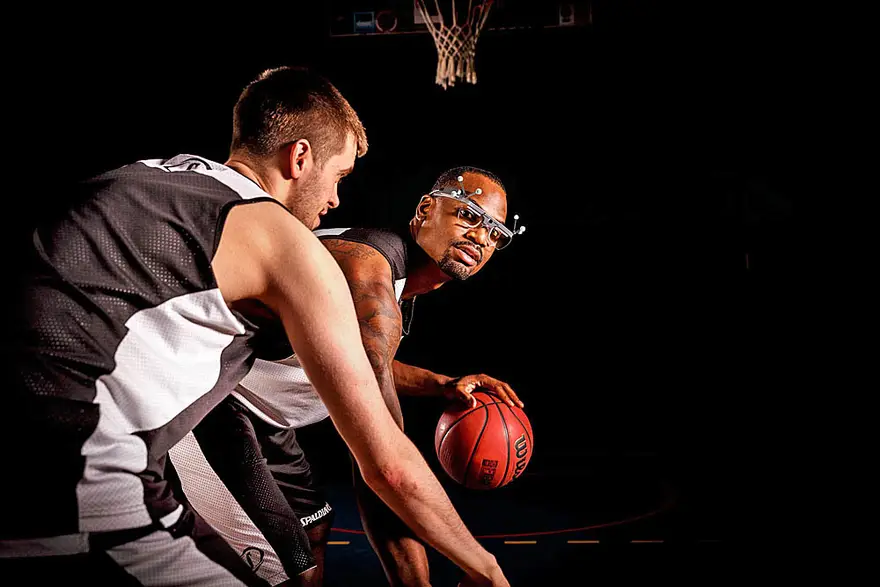
Eye-tracking research applied to sports focuses particularly on the following aspects of athletic action:
- execution of technical actions (e.g., ignoring visual stimuli);
- visual search strategies;
- pupillary diameter (an indicator of cognitive load);
- number and duration of saccades, fixations, and blinks;
- areas of focus (the elements where attention is most directed are defined as “visual pivots”);
- hand-eye coordination.
These aspects can be summarized into two main research lines:
Relationships between the visual system and the motor system
Optimal sporting action is one where gaze control is optimized to allow for the anticipation of movements or action outcomes, adjusting the physical gesture accordingly (“Motor resonance”).
Comparison between different expertise levels (experts vs. beginners/amateurs) and skill transfer.
Expert athletes have faster and more effective visual search and processing patterns, which lead to equally superior decision-making.
Want to know more? Contact us