


User Experience
User experience (UX) encompasses the set of emotions, perceptions, expectations, behaviors, and reactions that a person develops before, during, and after interacting with a product, service, or system.
To truly understand it, it is necessary to adopt a holistic approach, capable of integrating methodologies and tools from diverse and complementary disciplines.
Through our UX research activities, we analyze user behavior from multiple perspectives, transforming data and observations into useful insights to design more effective, intuitive, and engaging experiences.
Discover how we conduct research in the UX field.
Moderated / Unmoderated Tests
We evaluate the usability of digital products and services by observing how users interact with interfaces, content, and functionalities. We identify strengths and pain points to improve effectiveness, intuitiveness, and user satisfaction.
WHAT CAN WE DISCOVER?
Which elements capture the most attention.
Whether functionalities are intuitive and easy to remember.
Whether the content generates a high cognitive load.
Which obstacles compromise the user experience.
How simple and pleasant the service is to use.
TOOLS: Eye Tracking / EEG




First Click
“First” is a methodology within the first impression test family that allows us to understand the very first action users take on an interface.
WHAT CAN WE DISCOVER?
Do users see the entry point even if they don’t access it?
Which elements capture the user’s attention before they click.
TOOLS: MOUSE CLICK / EYE TRACKING / EEG

Tree test
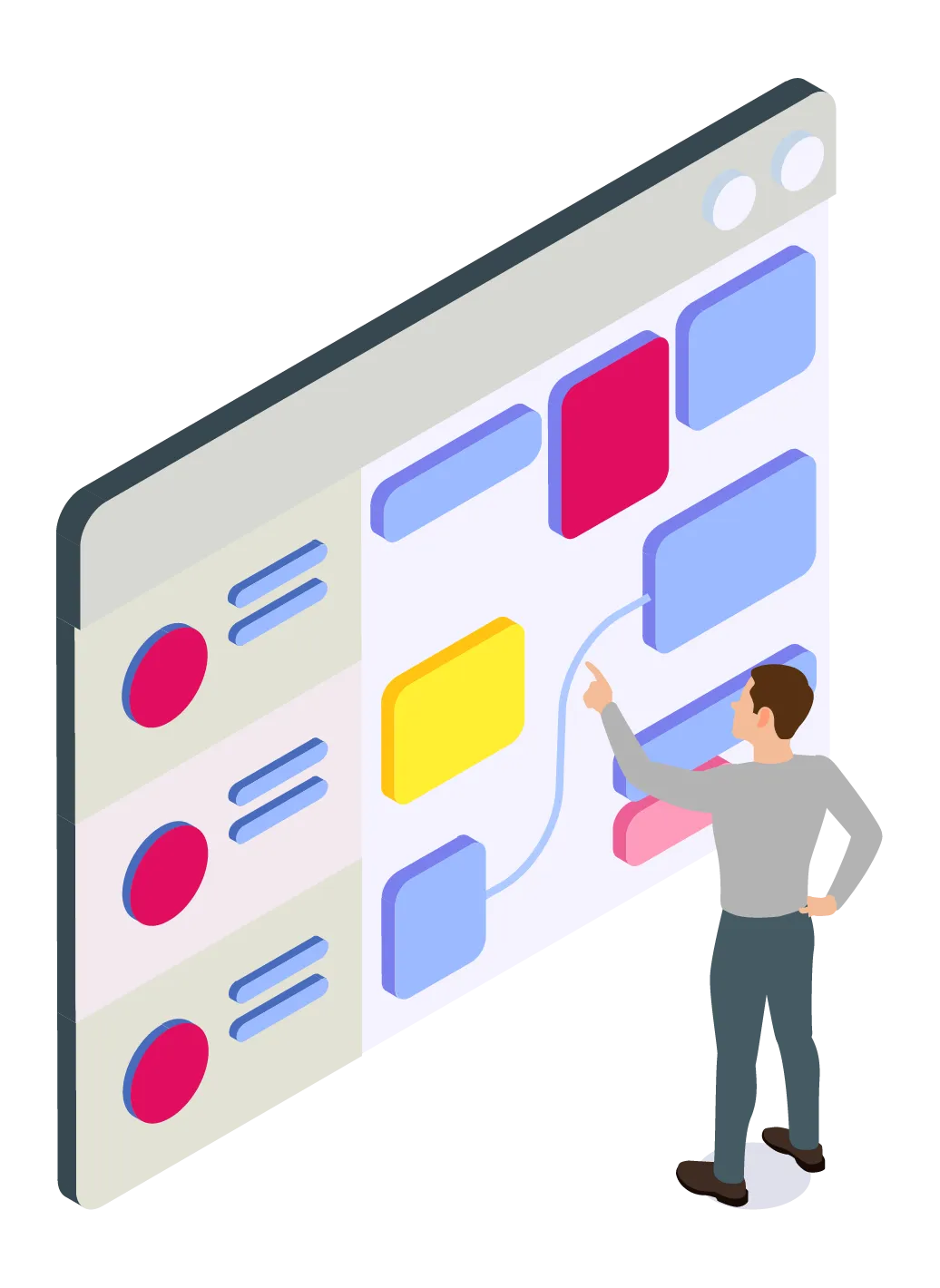
Tree testing is a useful method for testing the site/app structure: participants are asked to indicate where they expect to find a specific piece of information within a text-based menu that represents the system architecture.
WHAT CAN WE DISCOVER?:
- Is the site structure clearly organized?
- Does the information architecture reflect users’ mental maps?
- Does the microcopy effectively guide users toward the intended action?
TOOLS: Web Platform

Card Sorting
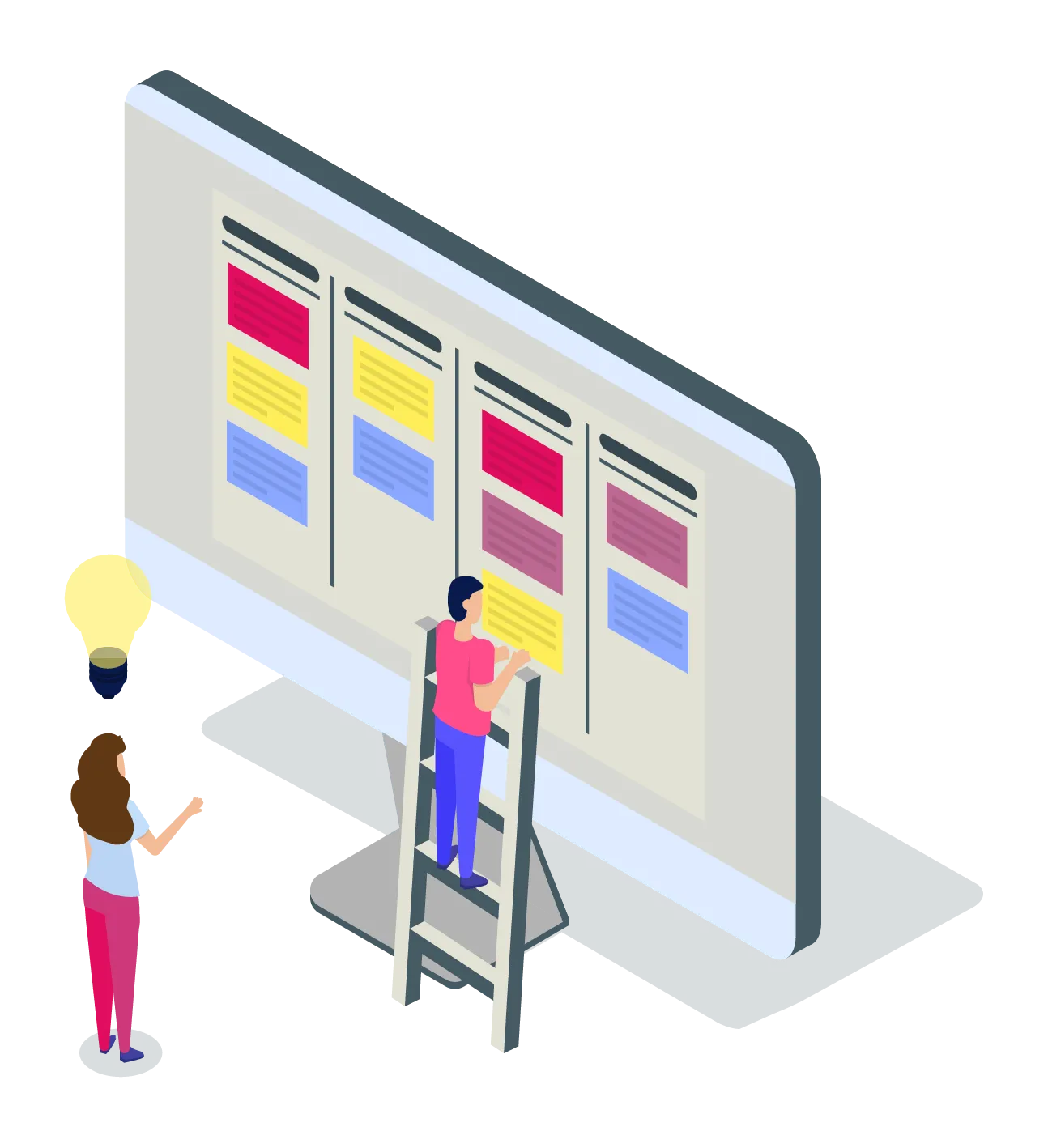
Card sorting is a research technique used to design an interface’s information architecture, ensuring it reflects users’ mental models. This test can be conducted both in-person and online via dedicated platforms.
WHAT CAN WE DISCOVER?
Where do people expect to find information when accessing the site.
- Are the category labels clear or ambiguous?
- How do customers understand and analyze the information?
- Is it possible to reduce the number of categories based on those that were ignored?
TOOLS: Web Platform
Preference Test
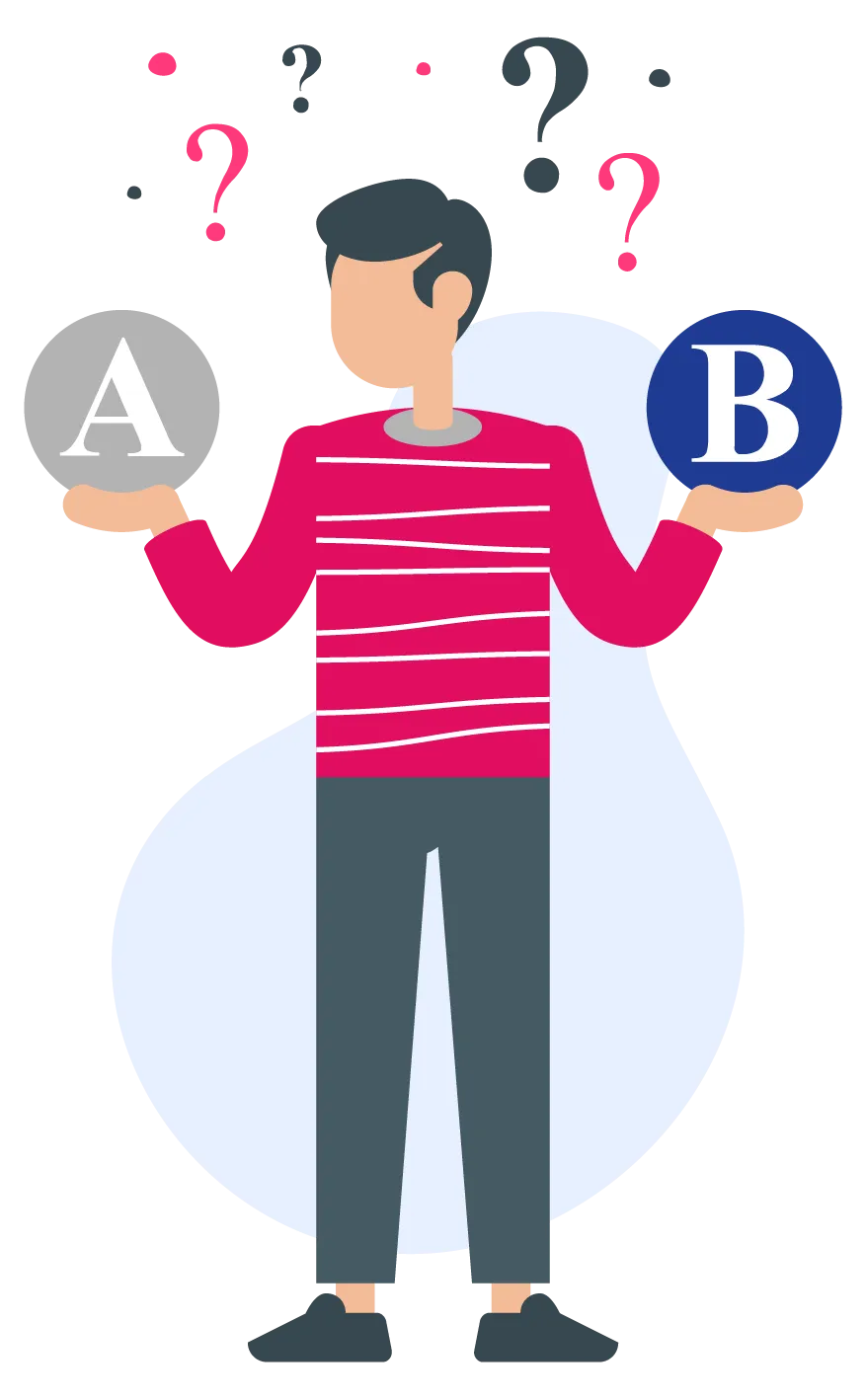
Preference tests allow for the evaluation of two or more versions of an interface prototype, with the goal of identifying which one is preferred by users.
WHAT CAN WE DISCOVER?:
- In which version does the study element capture the most attention?
- How long does it take for the study element to be noticed?
TOOLS: Eye Tracking / EEG / Mouse Click
Product Test
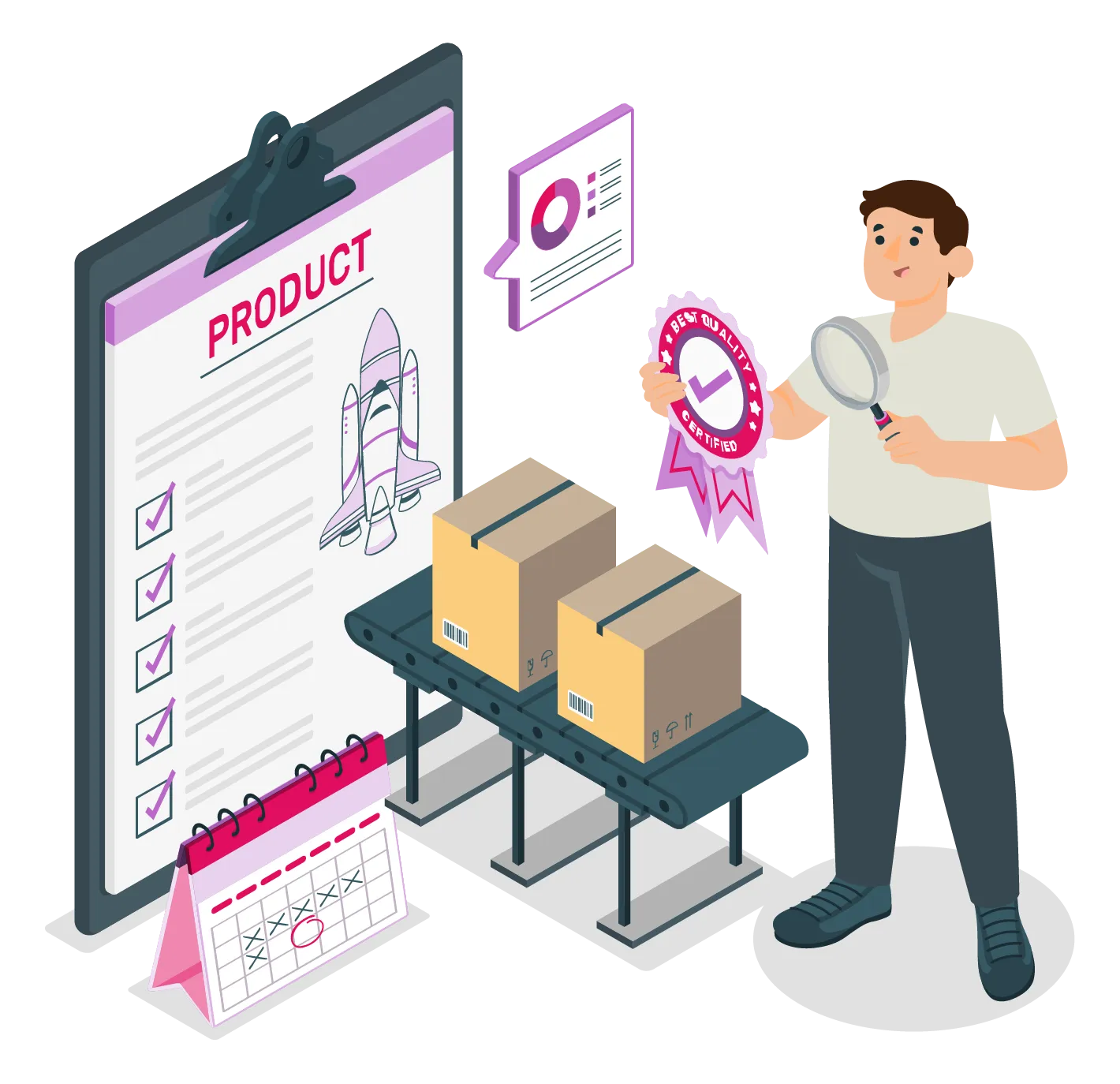
Product testing is a methodology used to evaluate the user experience of a product intended for launch or market repositioning.
WHAT CAN WE DISCOVER?
- What is the users’ first impression of the product?
- What emotions does its use evoke?
- Are all the key characteristic elements noticed?
TOOLS: Eye Tracking / EEG
Way Finding
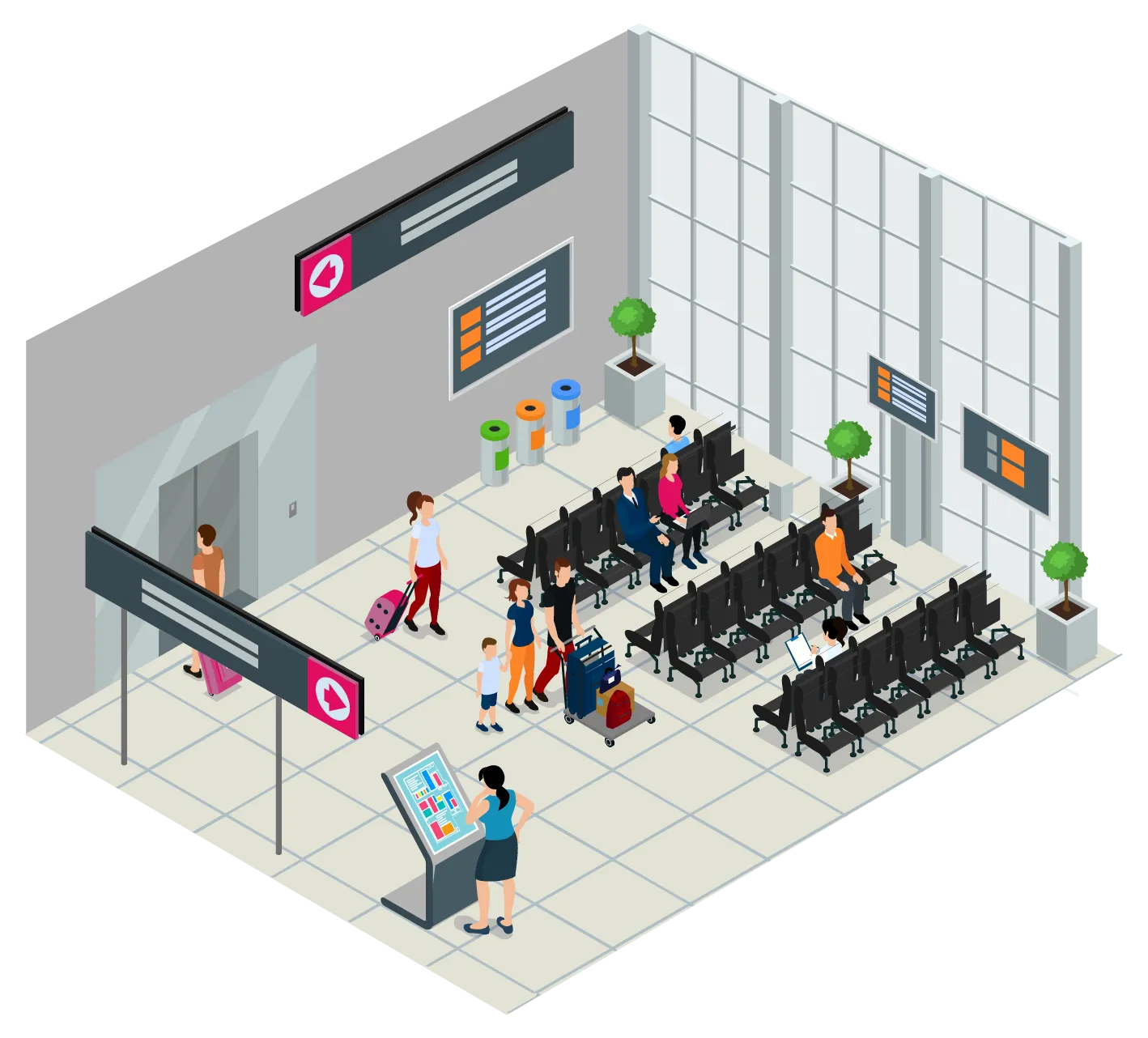
Wayfinding research is used to analyze and study human behavior within a specific environment.
WHAT CAN WE DISCOVER?
- Is the signage visible?
- Does spatial orientation require a high cognitive load?
- What emotions do people experience while exploring the environment?
TOOLS: EYE TRACKING

Want to know more about how we conduct our tests and the platforms we use? Drop us a line at insights@srlabs.it
2026 © SR Labs s.r.l. All Rights Reserved. P.IVA IT03283700965 – Informativa Privacy