

Active Eye tracking: eye-controlled drones
The existence of two types of eye tracking is known: passive and active.
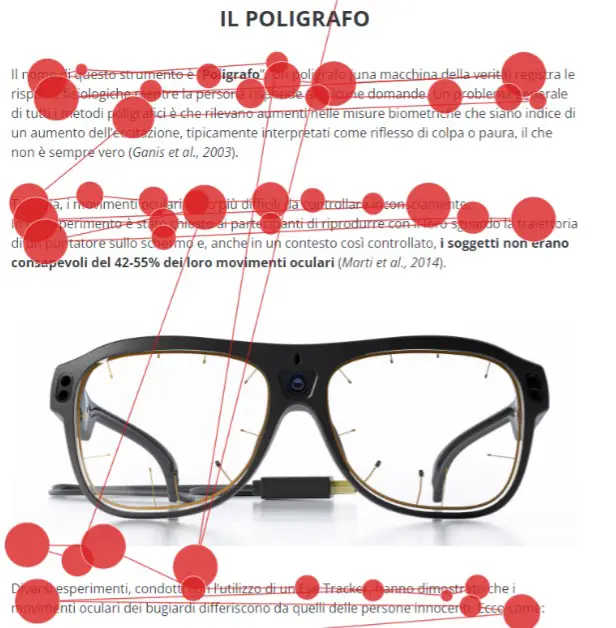
In the first case, reference is made to all those eye tracking tools that allow for the collection of data relative to the visual system and exploration patterns. These data are expressed in terms of fixations and saccades. Starting from such information, it is possible to understand many types of phenomena belonging to various contexts, ranging from marketing to learning disorders such as dyslexia. In fact, it is possible to understand if and how a product on a shelf is seen, or to objectively diagnose a specific visual disorder.
But there is another equally important use of this technology, namely the active type, which involves the interaction of the visual system with a graphic interface. In this case, with the control interface of drones.
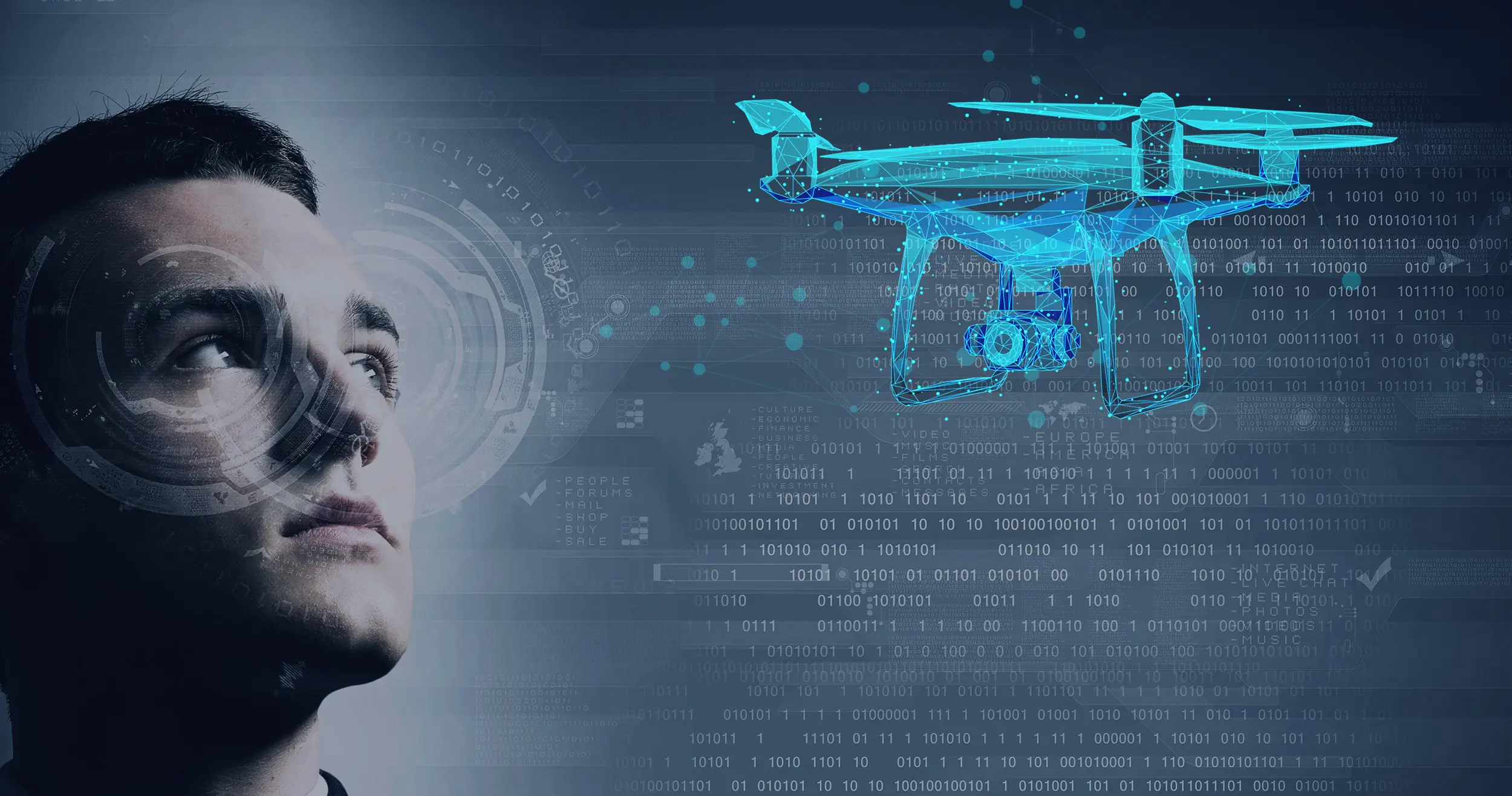
Technology has managed to evolve to such an extent as to allow people to fly drones using their sight, thanks to the integration of the eye tracking system within the headsets that control them.
The fields of application
In this sense, the fields of use can be multiple, as this system allows drones to be piloted even by people who have disabilities such as ALS, or more simply to optimize the commands of pilots who participate in the world championships of this discipline. This activity is a real sport, and the most important event is the “Drone Champions League” where professional pilots challenge each other with their drones that are capable of reaching 180 km/h.
We can also imagine a possible use in the military field, in fire brigades, in law enforcement, etc. To date, there are various application areas of “hands-free” technology, and research is constantly developing new ones.
What will be the “next step”?
Want to know more? Contact us