
How eye tracking changes industrial processes
What will be the next technological revolution in the industrial field?
In the interview by Marco La Rosa, web content writer & copywriter, our CEO Gianluca Dal Lago goes into detail about the functioning of eye tracking, the technology destined to profoundly modify the production processes of the old economy.
Below we report an excerpt of the interview.
Gianluca, is the eye-tracker entering industrial processes?
Exactly. Especially in the medical sector, eye tracking is already proving to be a key technology. But today there is a new frontier: its integration with the production systems of the old economy.
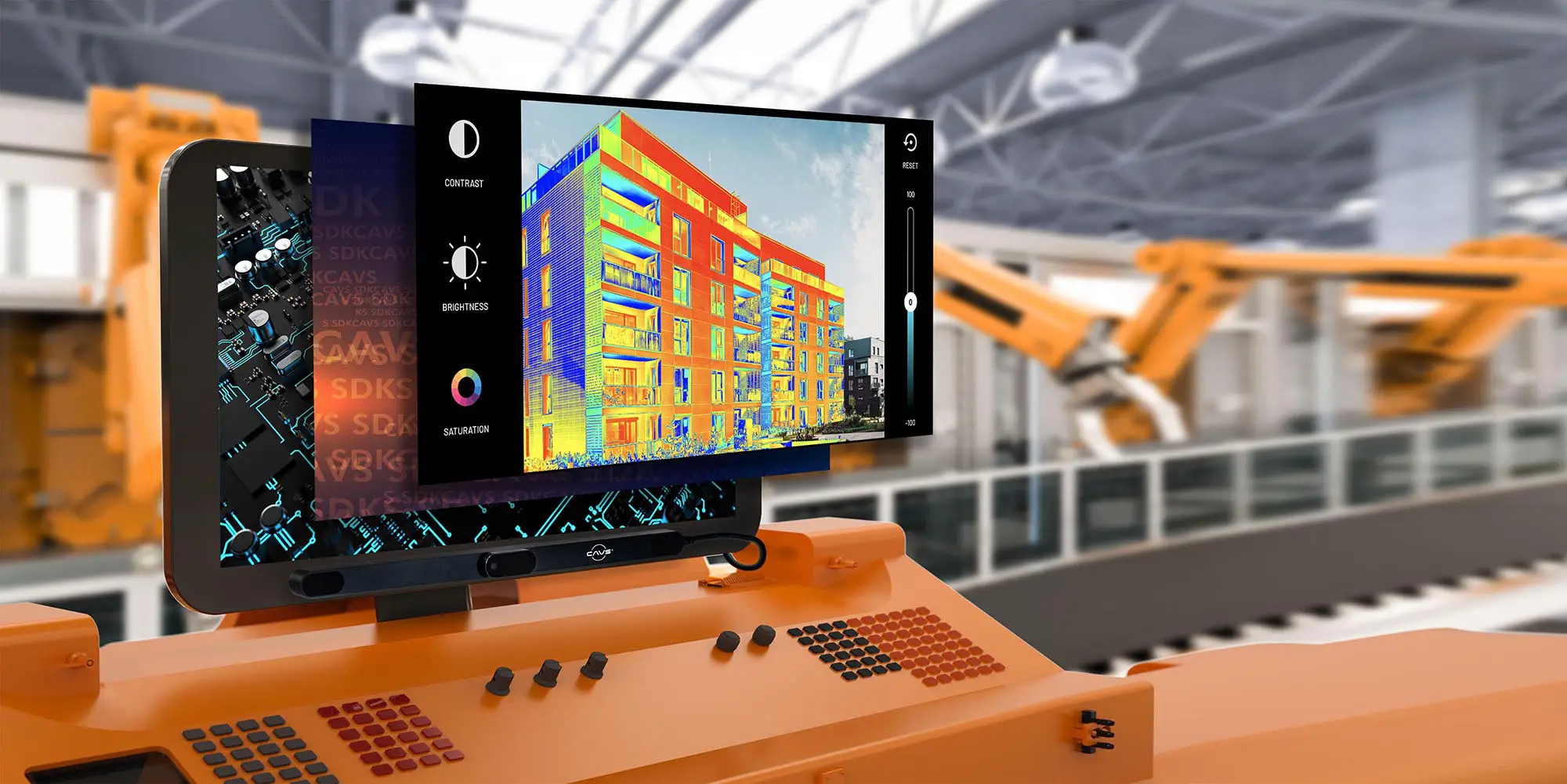
This allows not only to detect and resolve interface problems, but also to enable the operator to give commands to machines simply by looking at a monitor and without having to physically touch knobs and levers.
It will be up to the eye tracker built into the monitor to track the worker’s eye movements and transform them into command inputs as already happens in some equipment for the disabled.
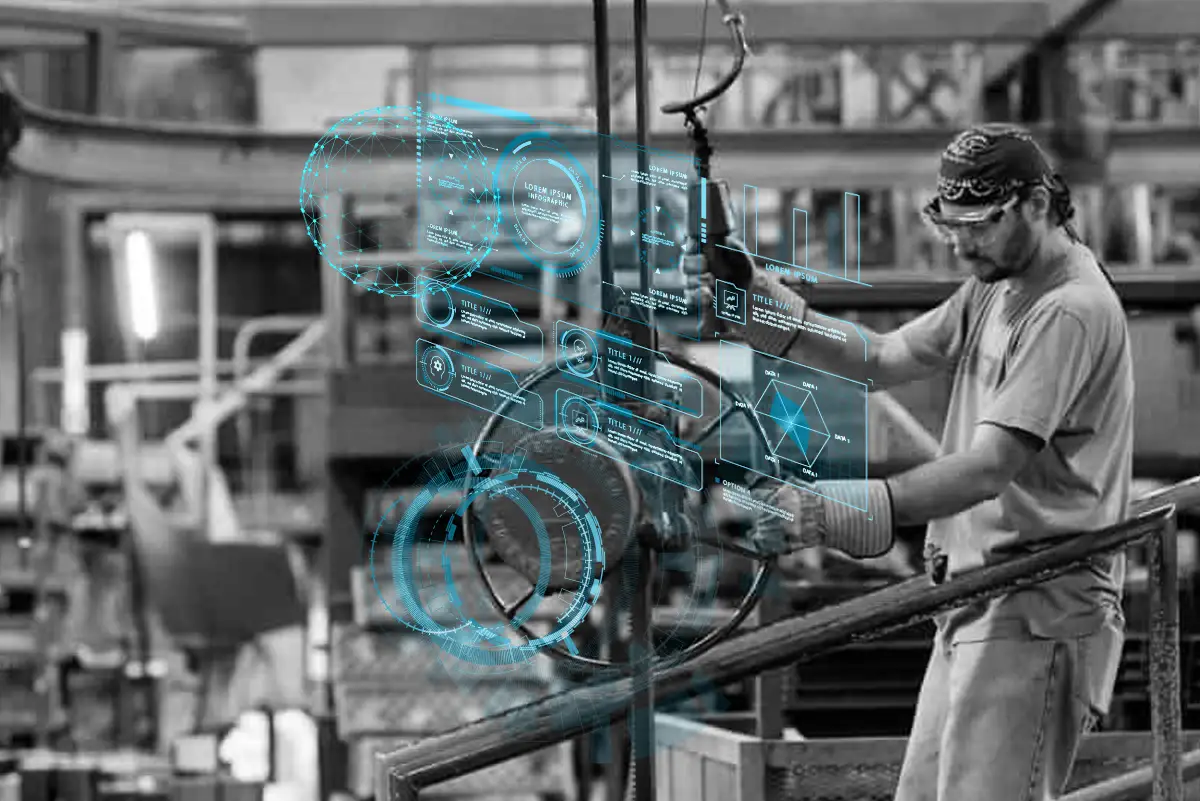
This approach proves particularly useful in work environments where it is uncomfortable to operate due to the need to wear protective suits, space suits, and heavy gloves, such as steel or chemistry.
Just a glance and everything is accomplished, with a notable increase in production times. Or in the case of people affected by injuries who have lost the mobility of their arms and who in this way return to work.
Another practical application is linked to the transfer of skills. In industries there are seniors, great tool specialists. The transfer of their know-how to novices is not always easy,
With the eye tracker, the procedure becomes simpler and more objective.
By analyzing the eye movements of the expert worker while performing a task, it is possible to recover their operational know-how and transform it into guidelines, saving relevant company assets.
In terms of design and planning, eye control has also been applied for about a decade to industrial production cycles to detect cognitive loads and optimize procedures and command interfaces, improving the productivity of the workers involved.
But we can go even further. The possibilities are cross-cutting, they concern all industries, from medical to oil companies. They are not limited only to industrial processes, but embrace any sector of activity, including services and distribution.
This approach proves particularly useful in work environments where it is uncomfortable to operate due to the need to wear protective suits, space suits, and heavy gloves, such as steel or chemistry.
Want to know more? Contact us