

The only lie detector: eye tracking
The world of cinema has led us to conceive of the lie detector as an instrument composed of some sensors that are placed on the fingers and chest of the alleged criminal. The goal is to identify specific patterns in the variation of biometric signals that are an indication of a “lie”. But a person can learn to control physiological responses, at least in part, and to “circumvent” the instrument.
The polygraph
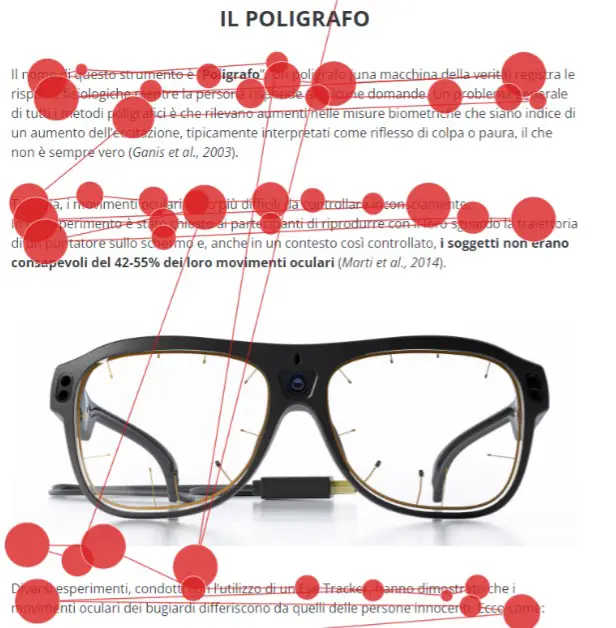
The name of this instrument is “Polygraph“. A polygraph (a lie detector) records physiological responses while the person answers some questions. A general problem with all polygraph methods is that they detect increases in biometric measures that are an indication of an increase in arousal, typically interpreted as a reflection of guilt or fear, which is not always true (Ganis et al., 2003).
However, eye movements are more difficult to control unconsciously. In an experiment, participants were asked to reproduce the trajectory of a pointer on the screen with their gaze and, even in such a controlled context, the subjects were unaware of 42-55% of their eye movements (Marti et al., 2014).
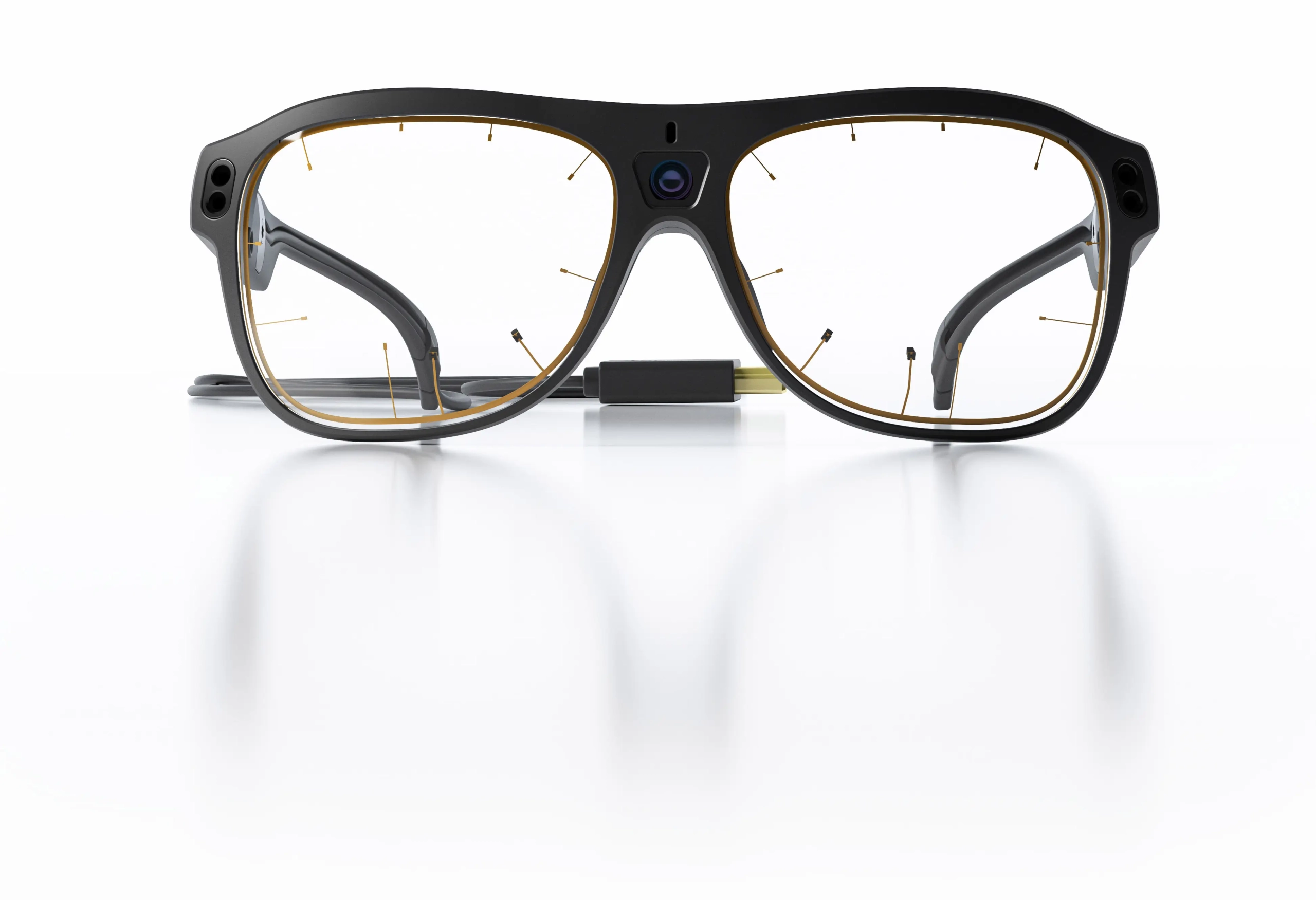
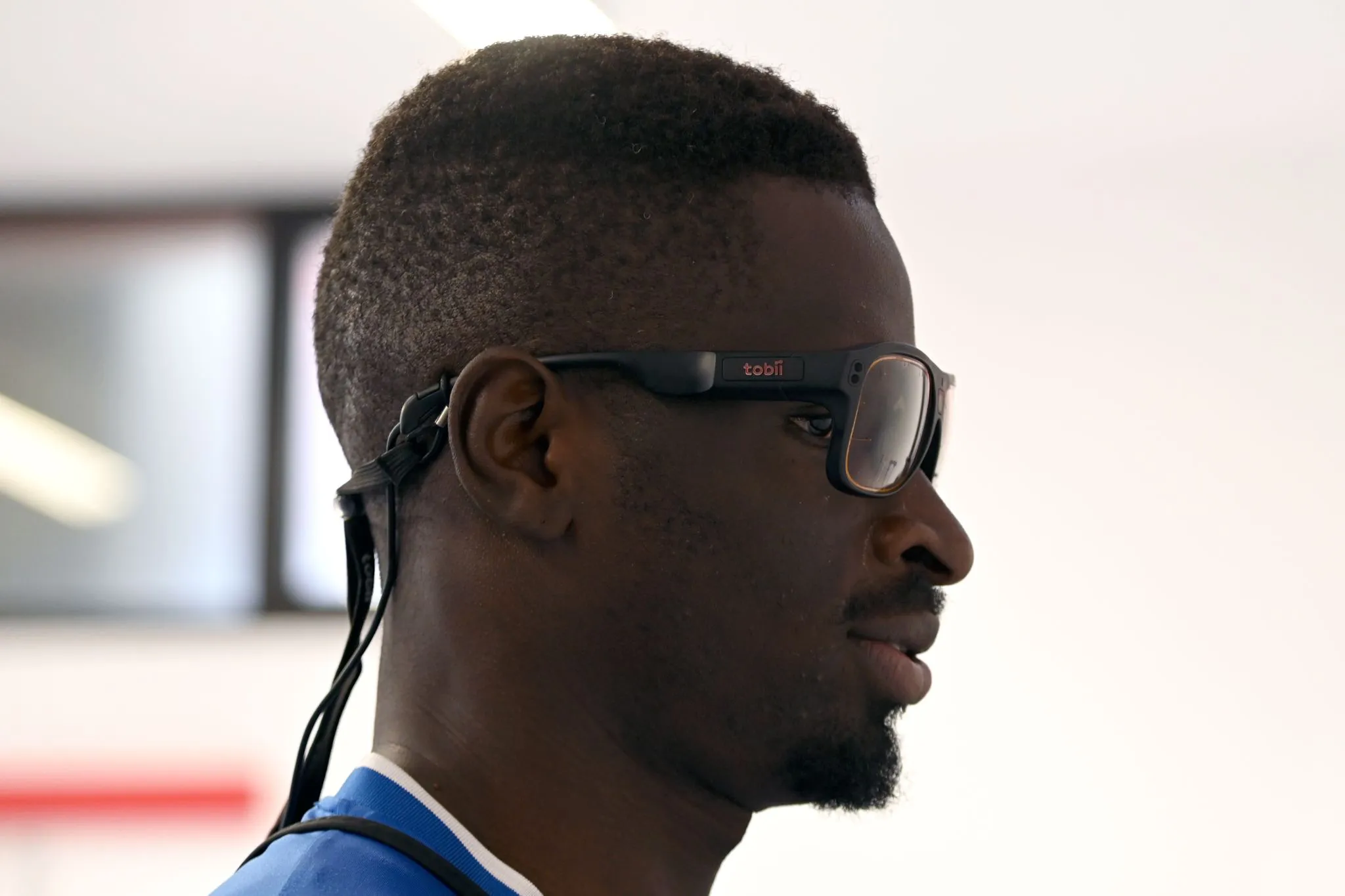
Several experiments, conducted with the use of an Eye Tracker, have demonstrated that the eye movements of liars differ from those of innocent people. Here is how:
Dilated pupils
which are associated with a state of greater anxiety and working memory load (Proudfoot et al., 2016).
The avoidance strategy
when the subject tries not to look at the “object of the crime” and instead pays more attention to neutral objects (Proudfoot et al., 2016, Kim et al., 2016).
Change in blink frequency
at the moment when a person is telling a lie, the number of blinks is lower than in the neutral state, but after the person has lied, the number of blinks increases drastically (Vrij et al., 2008).
In summary, if you ever happen to wear an eye tracker, remember not to lie or you would be immediately unmasked.
Reference: Neurodata Lab
Want to know more? Contact us