

9 ways you might be reading this article
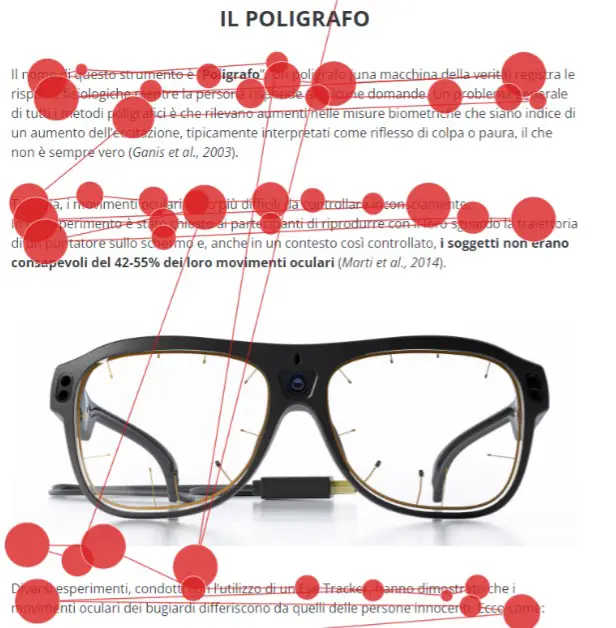
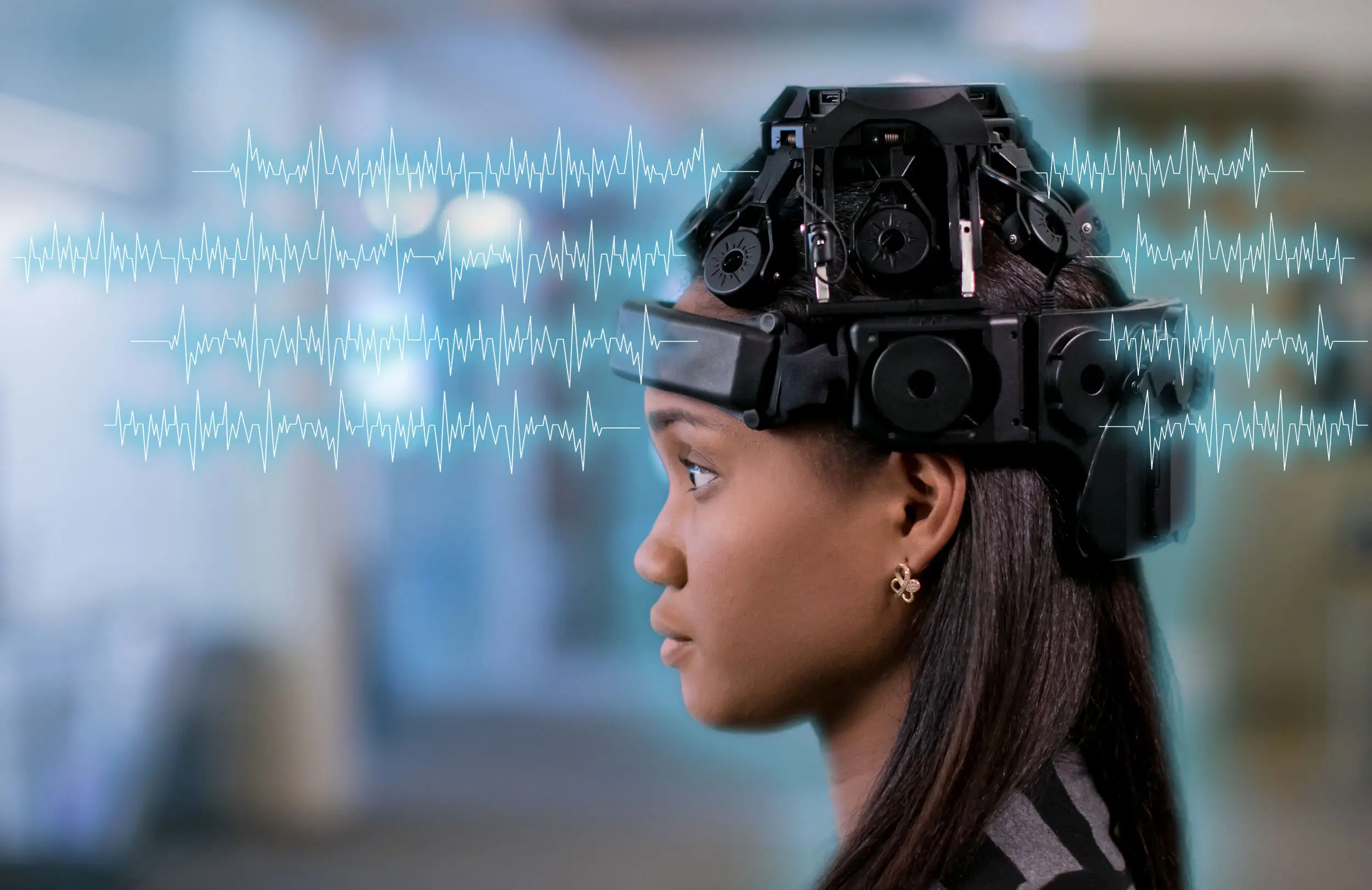
At this exact moment, your eyes and your brain are engaged in various sensory processing activities. You are probably seeing the succession of letters that make up this article, their color and font, the color of the page of this site, not to mention all the other visual stimuli located outside the screen of the pc/phone/tablet you are using.
To succeed in orienting itself in the midst of this multitude of stimuli, our brain operates by scanning and filtering information.
Now, rightly, you will be wondering how it succeeds… well, our brain uses both supports that it finds outside the skull, such as the page layout or the type of page content (text, images or whatever) and strategies internal to it, such as memory and selective attention processes.
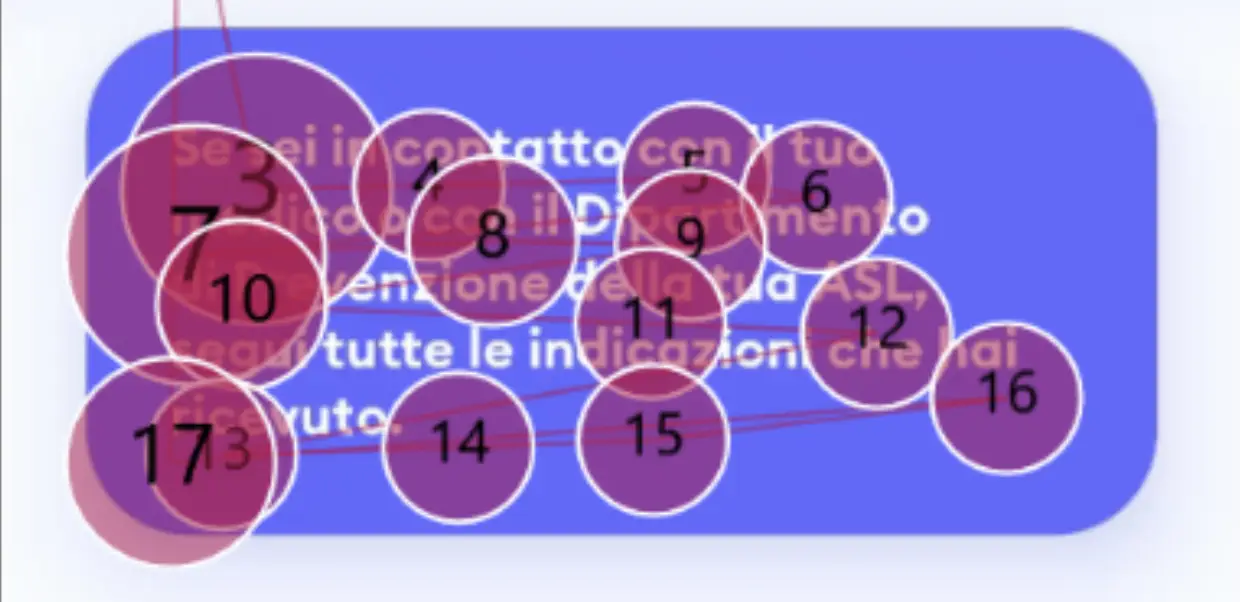
These processes also explain the various strategies that you might “unconsciously” be using to read this article. Normally our brain does not stop to read word by word all the information that passes through our hands, but most of the time it scans it, pausing only on certain aspects.
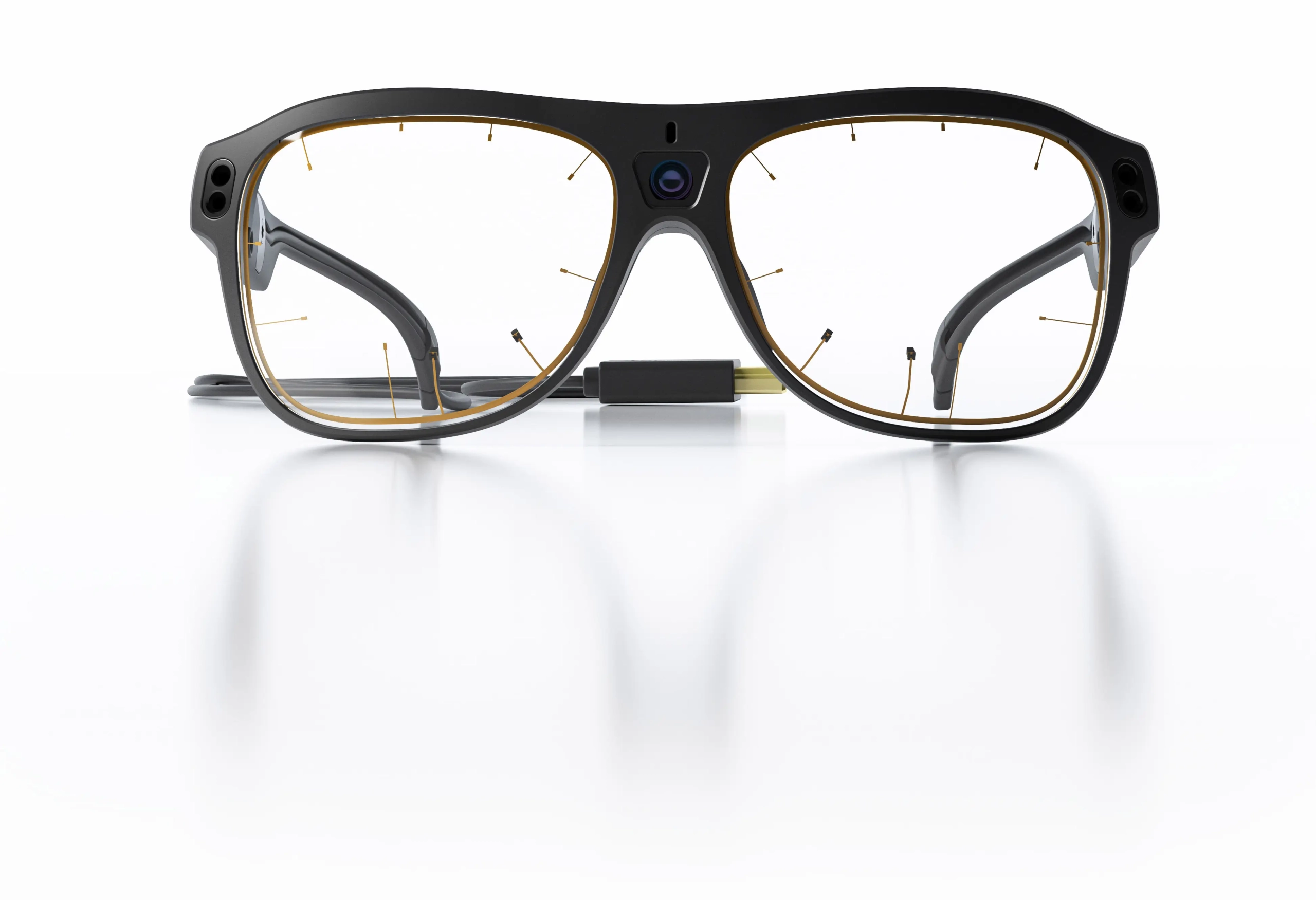
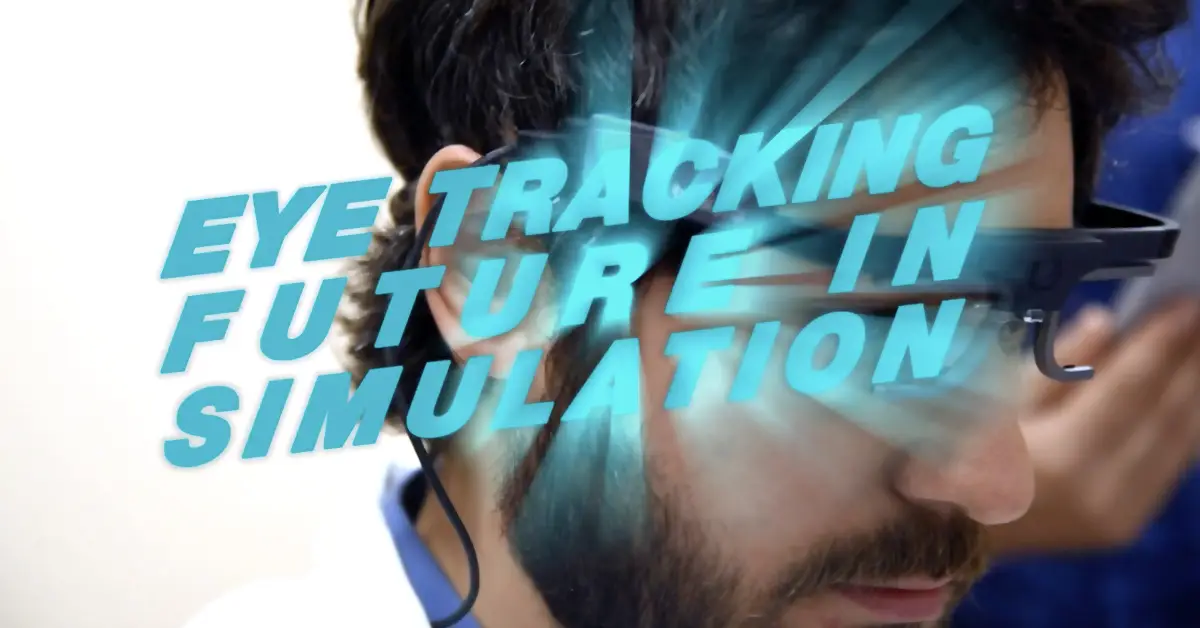
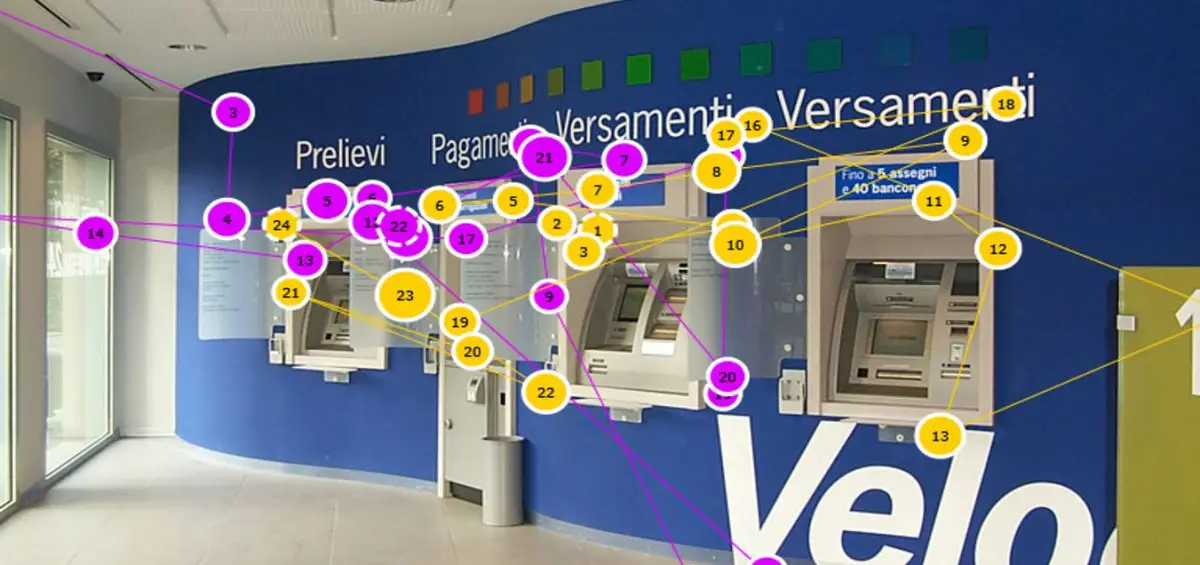
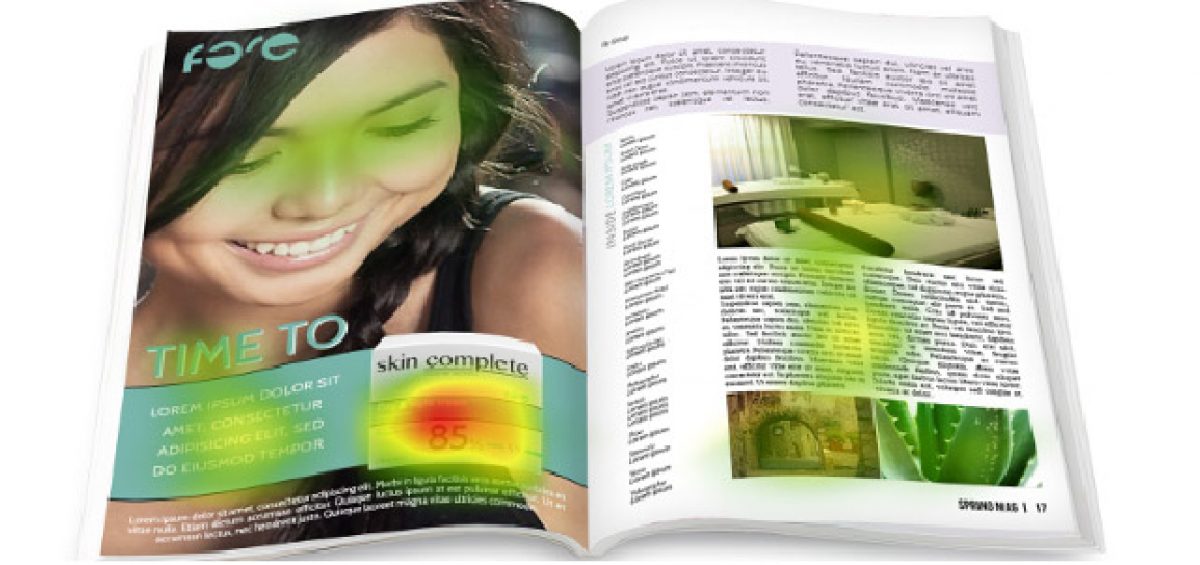
In this regard, for several years, NN Group has periodically published a report containing studies conducted with eye tracking on how people read online. In general, from these it has been seen how, despite the fact that technology has made giant steps from 1997 to today, people’s behavior has remained almost the same.
Below, you will find a list of the various ways in which you might read this article.
1. F-Pattern
The “F-Pattern” scanning mode is characterized by the fact that we tend to pause more on the first lines of the copy.
Moving forward, we fixate only on the first words of each line, scanning the rest of the text. The resulting eye tracking images are characterized by the fact that they highlight a pattern that resembles a capital F. Hence the name F-pattern.
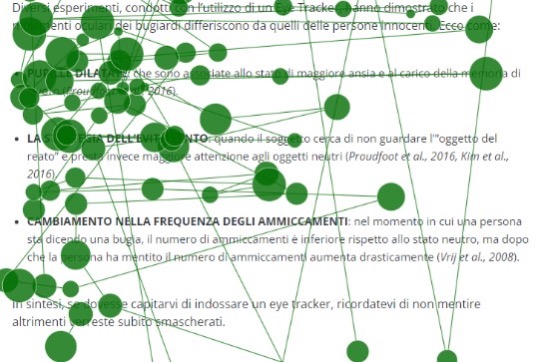
2. Layer Cake Pattern
The layer cake pattern is characterized by fixations corresponding to titles and subheadings, so the resulting eye tracking images have the shape of disjointed lines. We often use this strategy to find and identify the topics of the page.
3. Spotted Pattern
Every time our eyes fixate on specific words or pieces of words, scattered throughout the page, we implement the spotted pattern.
We use this strategy every time there are words in the text that are highlighted more than others (they are written with a different color or font or are bulleted lists) and when these resemble a word that interests us for performing a certain task.
4. Commitment pattern
When we read a text word by word, we perform what is defined as the “commitment pattern.” We implement this strategy when we are interested for any reason in the copy in front of us, so our motivation to engage in this highly energy-consuming exercise is high. However, it would be incorrect to attribute all this motivation to the interest we have in the subject: in fact, other variables intervene in this relationship, such as the reliability we attribute to the source.
5. Exhaustive Review Pattern
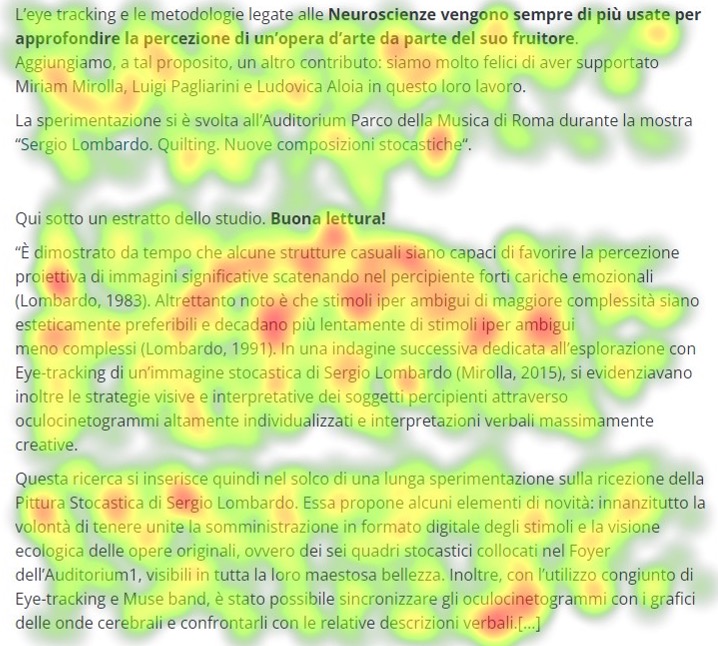
Also known as “I can’t believe it’s not there,” we implement this reading mode when we take a first look at the content of the copy, believing we will find exactly the information we were looking for at that point; then, not finding it, we continue reading thinking maybe we will find it further down, but, having reached a certain point, we realize that the information is simply not there. Believing we read distractedly or hastily, we return to the point where we had started reading, perhaps multiple times, and realize that the information we were looking for in that text is not there. So, certainly, we do not explode with happiness.
6. Zig-zag Pattern
As can be guessed from the name, this reading pattern follows the shape of the letter z. The eye scans the page first from left to right, following a horizontal line, then goes down diagonally to the left and, finally, proceeds horizontally to the right.
Doesn’t that sound like familiar behavior? In fact, every time we read anything at all, our eyes tend first to read everything written in a line, and then move to the next one performing exactly this movement.
7. List Bypassing Pattern
Now I kindly ask you to read the following list:
- affective component
- cognitive component
- motivational component
Probably, after having read the word “component” the first two times, by the time you read the third item in the list, you will have skipped the word “component” reading the word “motivational” directly. Here, the bypassing pattern consists exactly of this: skipping the initial words of lists that begin with the same word.
8. Section bypassing pattern
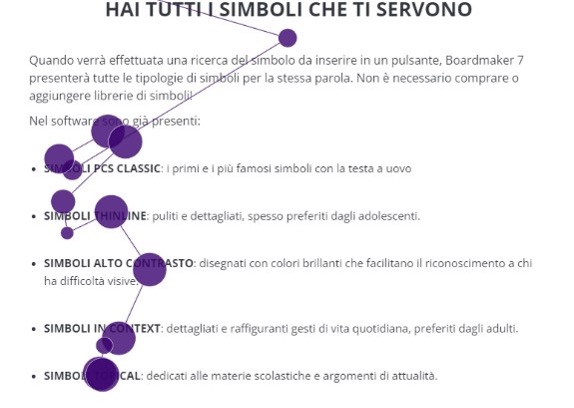
When we are reading a copy that is not of interest to us or that does not contain the information we are looking for, we tend to skip entire sections of the page.
9. Lawn-mower Pattern
In recent years, pages have begun to be enriched with images and videos. Now we think these elements are indispensable in a copy, but twenty-five years ago it was not so.
With the insertion of these elements within web pages, it has been seen that, when we look at them, our eyes move first horizontally, from left to right, then go down to the cell below, then move from right to left to continue by going down to the cell below and so on.
In Conclusion
To recap it all, our eyes and our brain are essentially intelligent organs and, for this reason, they try to economize energy to use it in a targeted way for the achievement of certain objectives, such as finding certain information in a very long text. To succeed in doing this, our eyes scan the text adopting various strategies different from each other. The adoption of one reading pattern rather than another is dictated by various variables that can be both internal to the subject and external.
Reference:
https://www.nngroup.com/articles/zigzag-page-layout/
https://www.nngroup.com/articles/exhaustive-review-eyetracking/
https://www.nngroup.com/articles/text-scanning-patterns-eyetracking/
https://uxdesign.cc/viewing-patterns-the-subconscious-psychology-of-the-eye-8b8b8522f753
https://uxplanet.org/people-dont-read-online-they-scan-this-is-how-to-write-for-them-80a75069c14e
https://www.nngroup.com/reports/how-people-read-web-eyetracking-evidence/
https://www.nngroup.com/articles/how-people-read-online/?lm=how-users-read-on-the-web&pt=article
Want to know more? Contact us