
Eye tracking and sports: a pilot study with Pallacanestro Femminile Varese

Psicosport and SR Labs conducted a pilot study to define a collaborative approach between the Pallacanestro Femminile Varese team and technology. The general question is:
“How can sports and technology be reconciled?”
To answer this, one only needs to think of a series of tools that are now an integral part of the services offered by sports psychologists to athletes: skin conductance sensors, biofeedback and neurofeedback, EEG, and a range of other equipment that measures biometric and physiological parameters such as muscular, metabolic, and respiratory activity, as well as attentional and concentration processes. Today, however, there is an additional tool that allows us to measure, and, even better, to enhance, a very important indicator for sports that is often overlooked: VISUAL PERFORMANCE. Visual performance is trainable, and it is precisely at this point that the full potential of the tool unfolds.
Vision is a fundamental aspect of athletic performance, as it directly influences its effectiveness and quality (Roncagli, 1990).
Aspects examined
Eye-tracking research applied to sports focuses particularly on the following aspects of athletic action:
- execution of technical actions (e.g., ignoring or fixating on visual stimuli);
- visual search strategies (environmental exploration functional to performance);
- pupillary diameter (an indicator of cognitive load – athlete fatigue);
- number and duration of saccades, fixations, and blinks;
- areas of focus (the elements where attention is most directed are defined as “visual pivots”);
- hand-eye coordination.
Another fundamental element for eye tracking is the Quiet Eye (Vickers 1996), which is the final gaze fixation on a target object before performing a direct action. This is a crucial factor for the precision and effectiveness of movement. It has positive effects on enhancing sports performance, increases the sense of control, and reduces performance anxiety. Therefore, it also impacts the athlete’s psychological well-being.
What are the strengths of eye trackers?
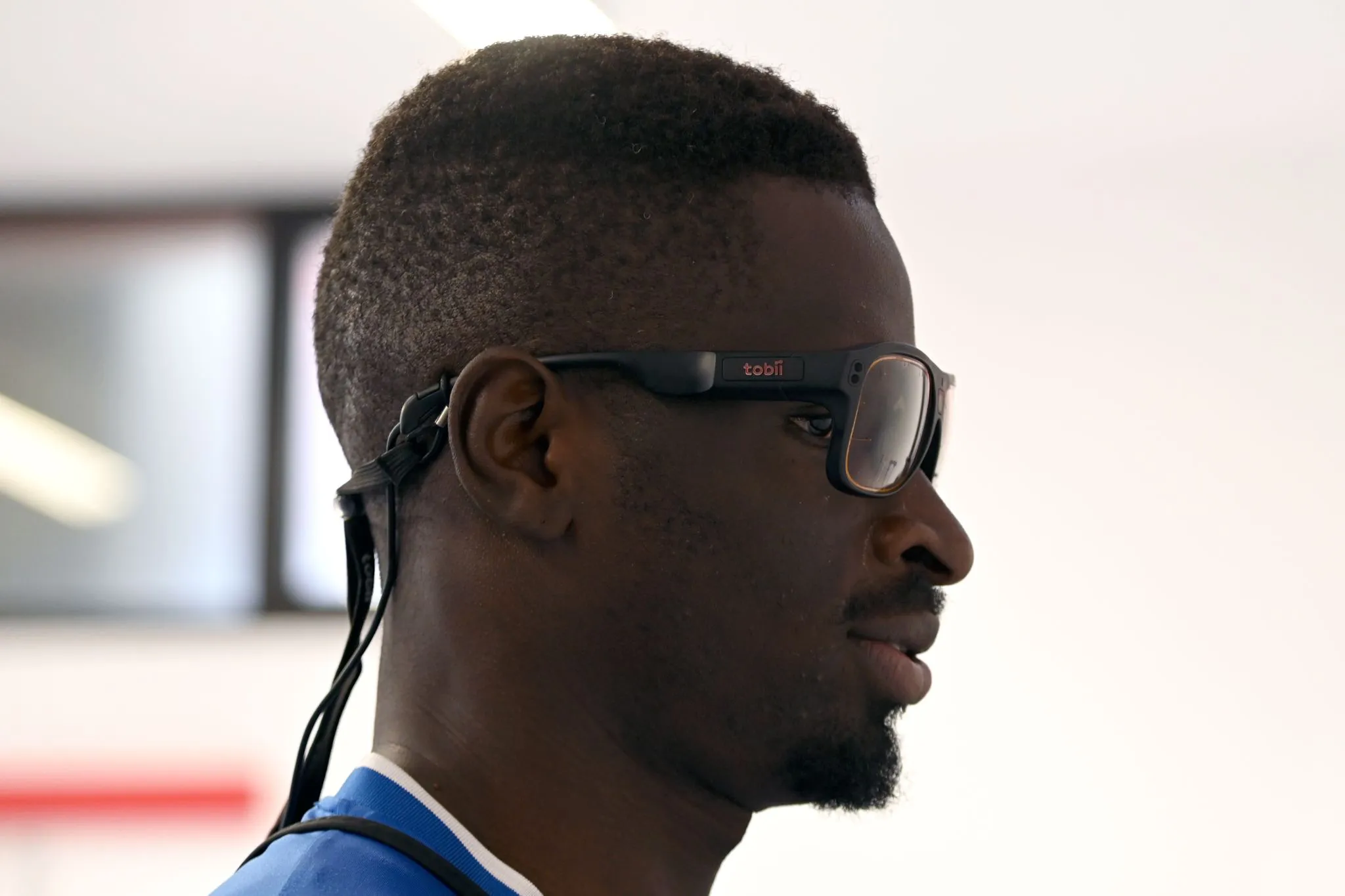
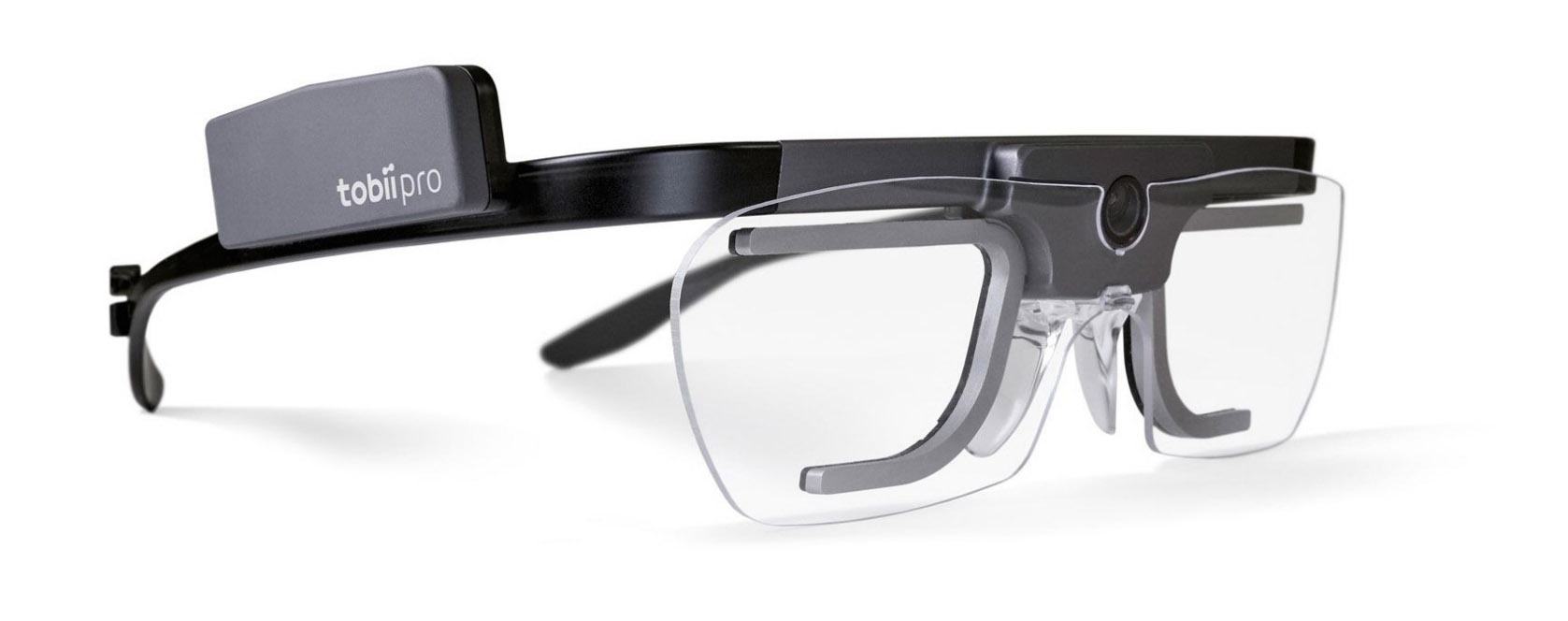
It is a lightweight, comfortable, wearable, and non-invasive instrument. It features high-precision, high-rate tracking. It allows for the observation of an athlete’s fixations in LIVE STREAMING, and thanks to a camera mounted on the frame, it displays them within the real-world context. This yields both qualitative and quantitative results.
This is exactly what we did with Psicosport and the athletes: measuring eye movement in game contexts that required different objectives, such as Quiet Eye (Q.E.), visual performance during a duel with an opponent, cognitive load during a stressful situation (free throws with an audience present), and more.
A wonderful experience that allowed us to broaden our horizons and actively contribute to the implementation of these technologies and the possibility of using them positively for people’s well-being.
Below is the interview broadcast by the TELE 7 LAGHI channel.
Want to know more? Contact us