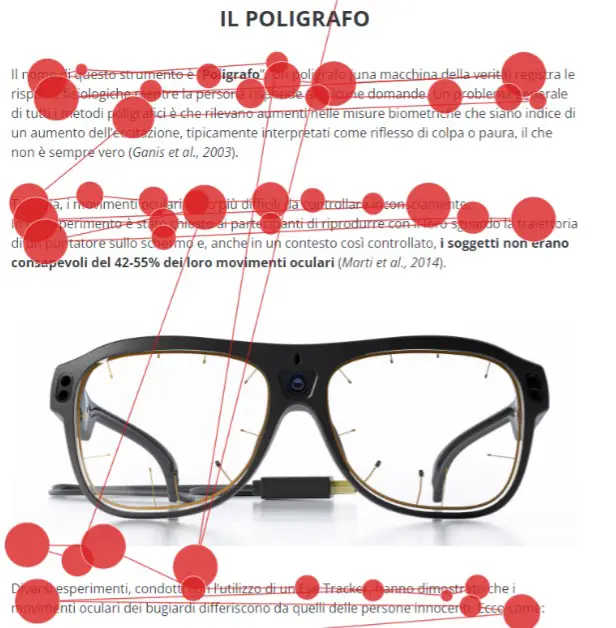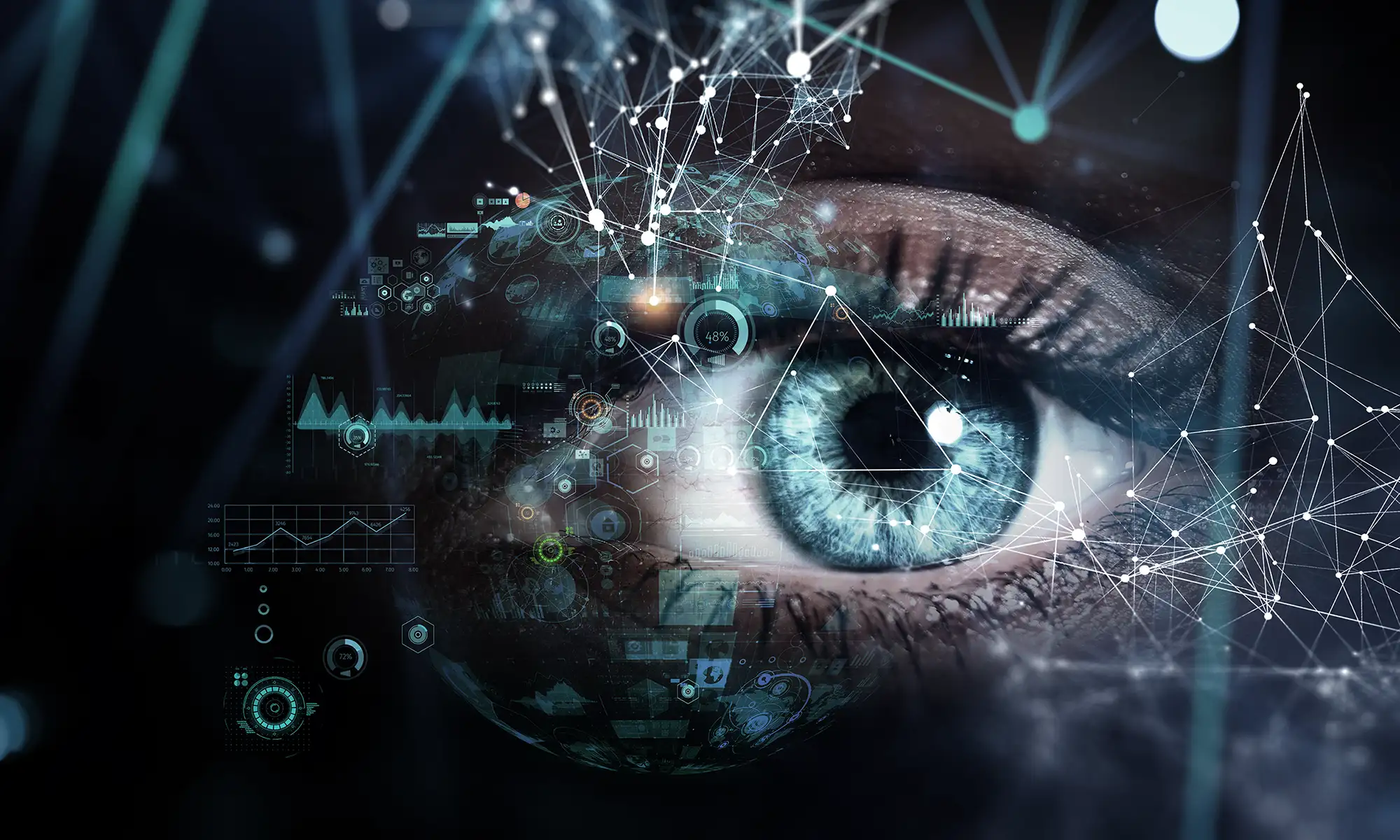


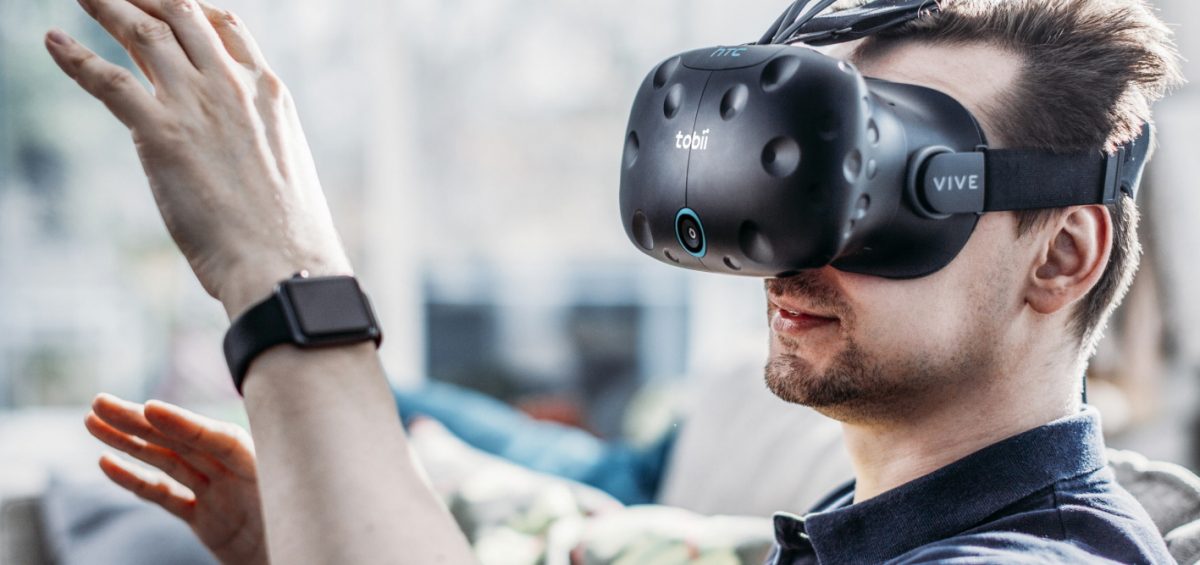
The eye tracker is a physical device that uses a type of near-infrared illumination, in combination with high-definition cameras, to project light into the eye and record the direction in which it is reflected by the cornea.
Advanced algorithms are then used to calculate the position of the eye and determine exactly where the gaze is focused.
This allows for the study and measurement of visual behavior and the smallest eye movements, as the eye position can be mapped multiple times per second.
The speed at which the tracker captures images is called frequency. It is possible to record the scene the user is looking at, and by using eye-tracking software, it is possible to produce a visual map of stimuli showing how the person viewed the elements of the scene.
What types of eye trackers?
Below, we will explore the range of eye trackers available today. The basic principles of operation remain the same for all; however, the typological differences between trackers allow for the optimization of results based on the nature of the research being conducted.
Here is the outline of the types:
eye tracker screen based
Also called desktop, stationary, or remote. – These are independent remote devices that can be connected to a laptop or a monitor.
wearable
Wearable – This category includes glasses and VR headsets, both with integrated eye trackers.
webcam
Webcam eye trackers do not have special sensors or cameras and do not operate based on the principle of corneal reflection of the pupil center. Instead, they work through the webcam device connected to or built into a computer, supported by specific software.

Eye tracker screen based
Screen-based eye trackers are used for research where the participant interacts with and/or is exposed to stimuli delivered via a screen.
Although these devices track the eyes only within certain limits (the so-called headbox), the freedom of movement is still wide enough to allow interviewees to be relatively free (at least in terms of a normal range of motion while looking at stimuli on the screen).
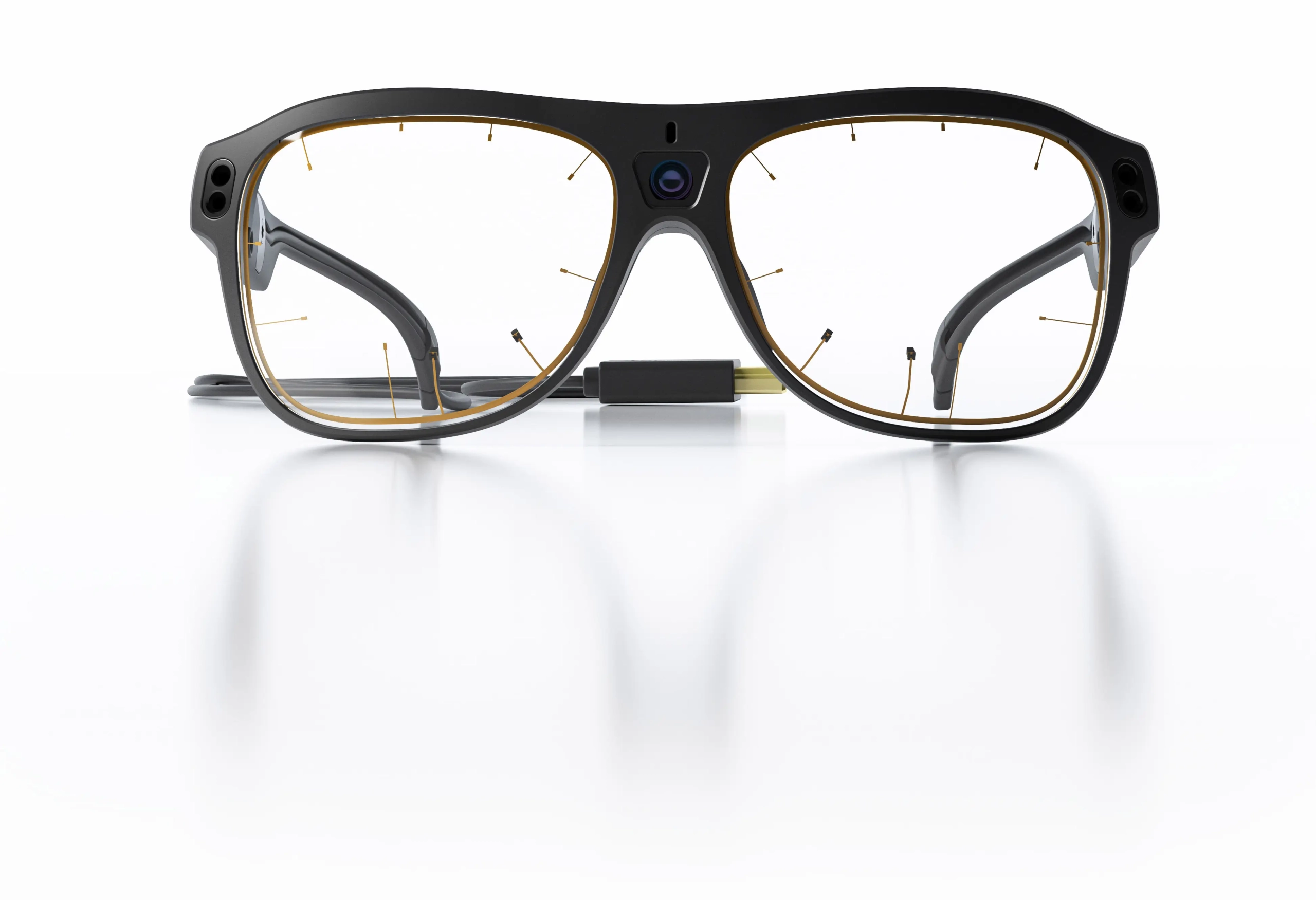
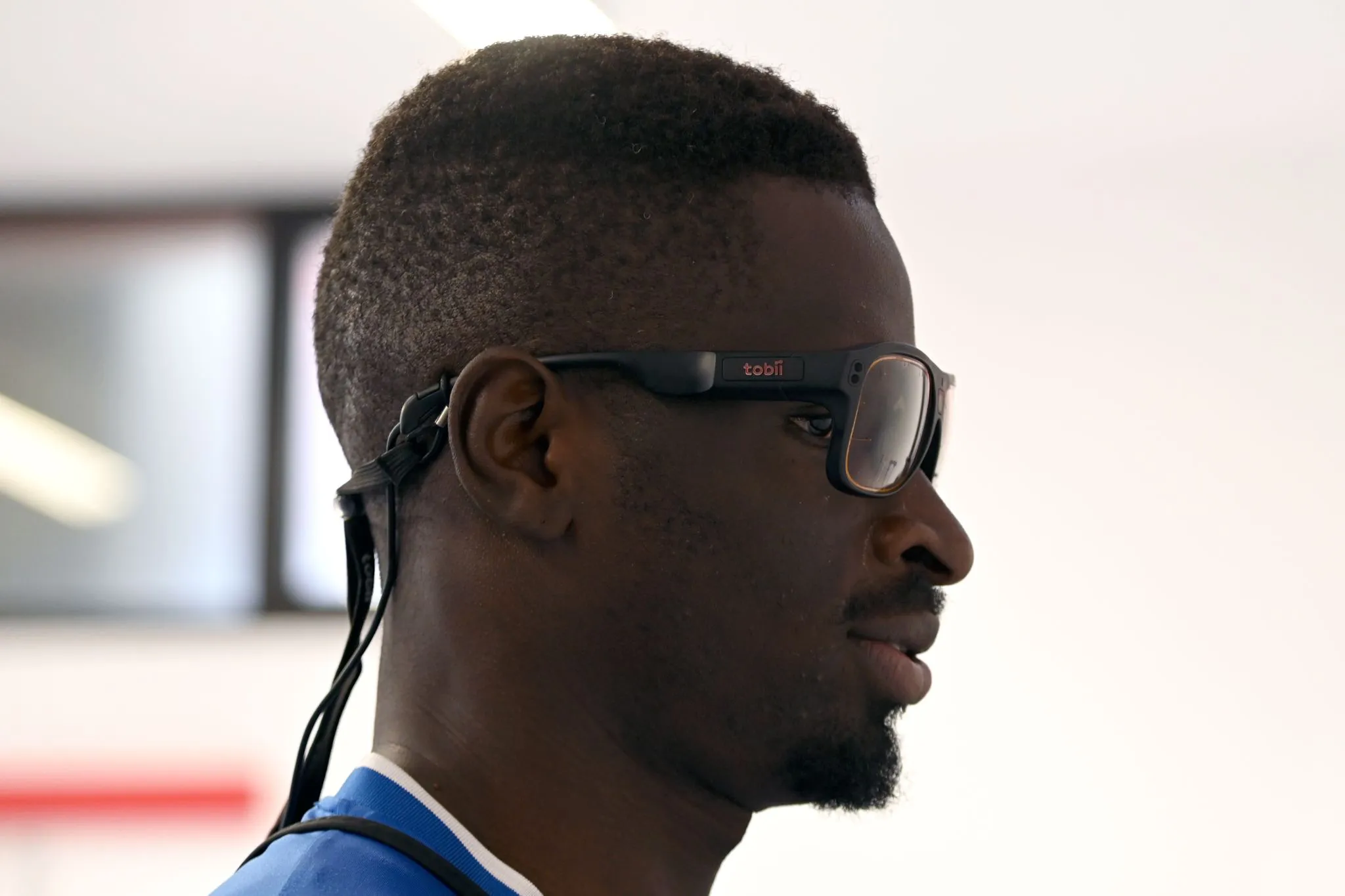
Eye tracking glasses
Glasses are ideal for studying behavior in real-world situations, such as walking through supermarket aisles, playing sports, moving through the subway system, interacting with other people, or working in a factory. They are not bulky, which means the wearer can do exactly what they would normally do in that situation. They also contain an integrated camera and microphone to record the environment.
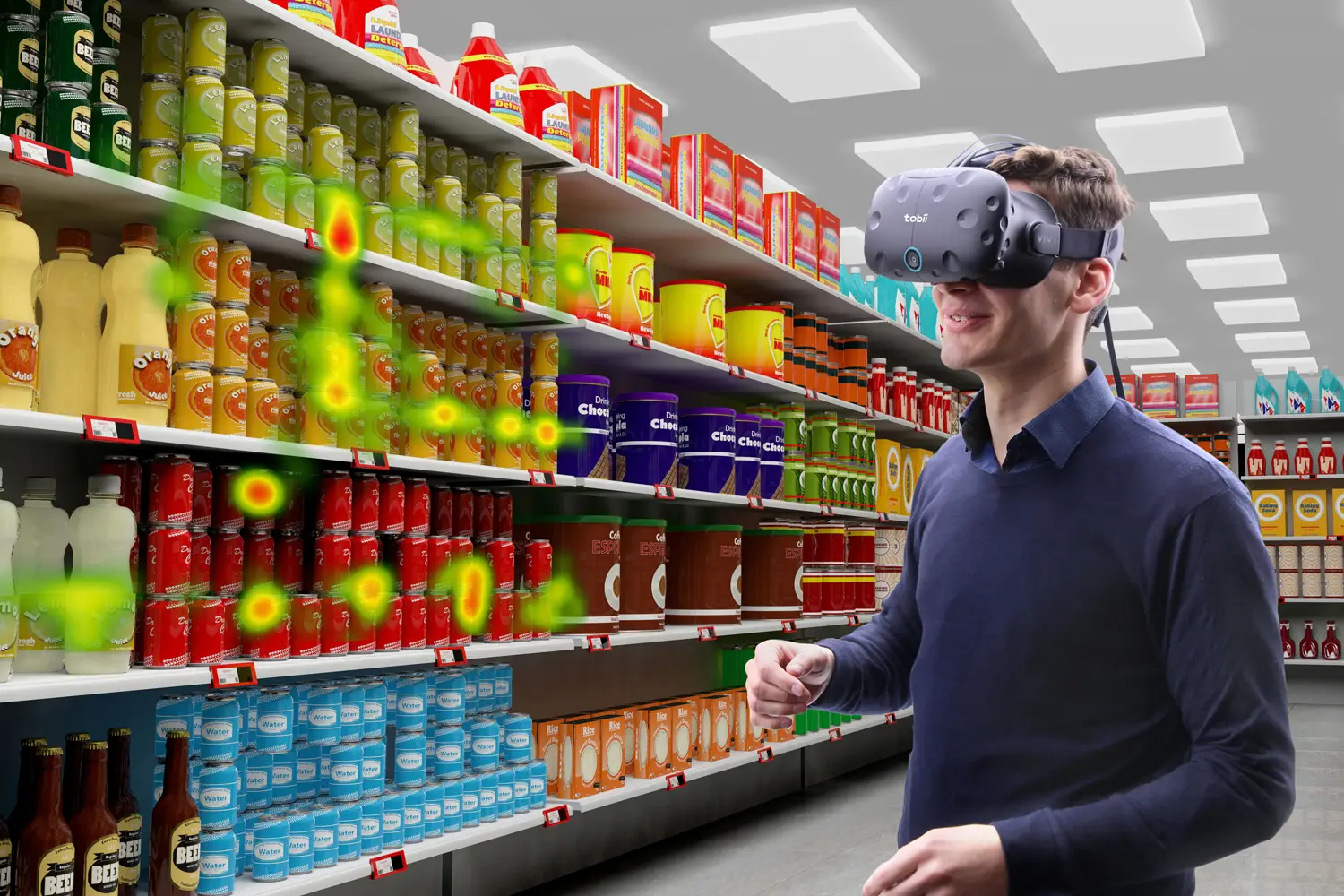
Virtual Reality Headset
The VR headset with integrated eye tracking allows for the examination of situational interactions in multiple environments without being physically inside them. This is very useful for gaining skills and training safely, simulating places that would be risky to visit or are too difficult or expensive to reproduce in a research context.
This method is also used to test scenarios such as store design and/or layout, without the expense and time required to physically create the space.
All media are ©Tobii. All Right Reserved.
Want to know more? Contact us