

The theory of mind is without a shadow of a doubt an ability that characterizes the human being.
We all know in fact that human beings are capable of attributing mental states such as intentions, desires, knowledge and emotions both to themselves and to others.
What many scholars have often wondered about, however, is whether only human beings are endowed with this capacity.
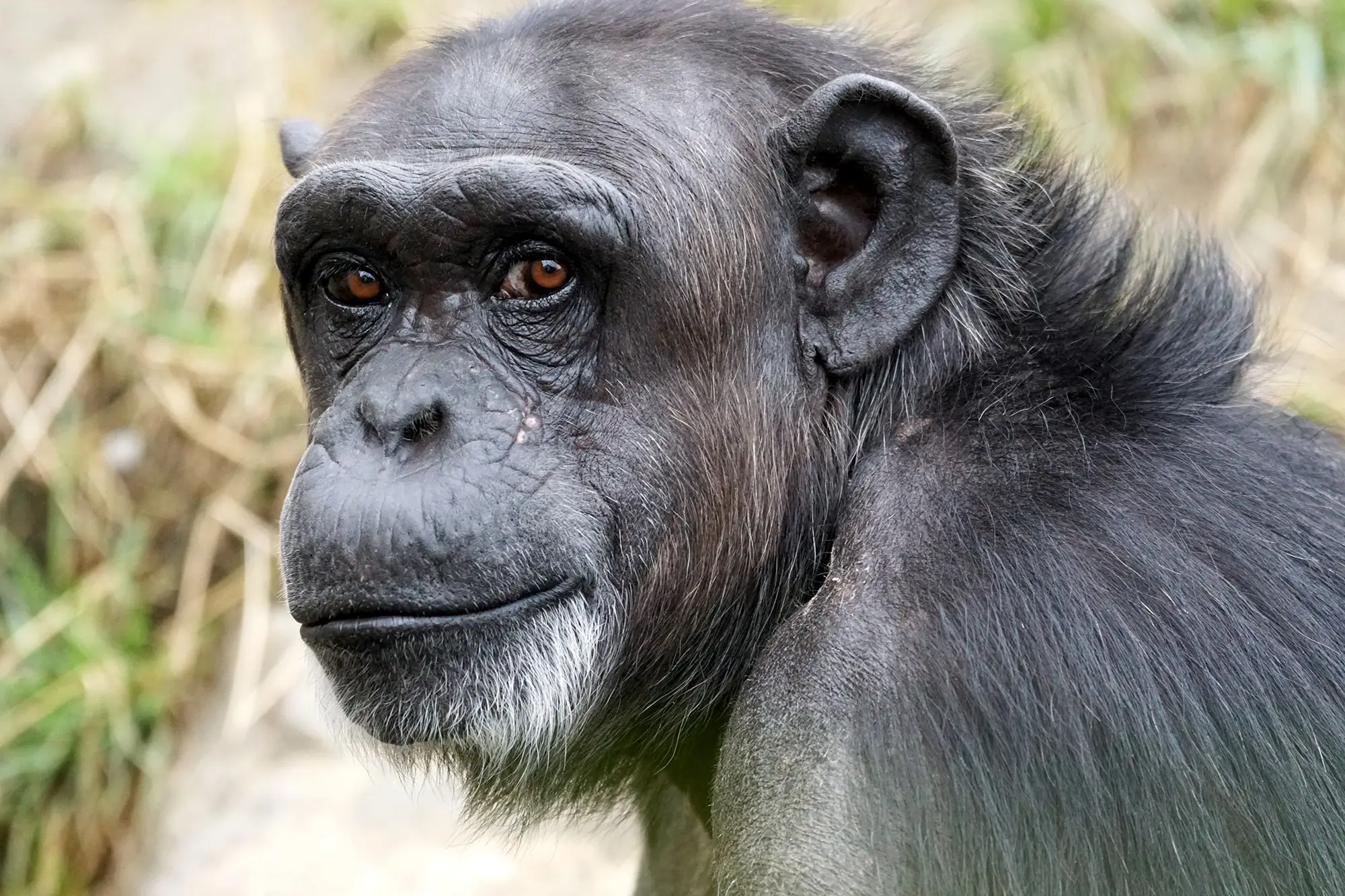
PNAS (Proceedings of the National Academy of Sciences of the United States of America) has recently published a study conducted by Fumihiro Kano, Christopher Krupenye, Satoshi Hirata, Masaki Tomonaga, and Josep Call of Kyoto University’s Kumamoto Sanctuary and the Primate Research Institute. According to what was reported by Fumihiro Kano and colleagues, great apes would be able to understand and predict the actions of others, even passing the “false beliefs” test.
How the experiment works
The experiment was conducted thanks to eye tracking technology which allowed observers to know with certainty where the primates’ gaze was directed and consequently where their attention was focused. During the test, a video was shown to a group of monkeys of different species.
Video: ©It’s Bloody Science!. All Right Reserved.
In the video, an actor was aware of an object hidden under one of two identical boxes. Subsequently, a barrier blocked the actor’s view while the object was moved. Once the barrier was removed, the monkeys’ gaze settled exactly on the original hiding place, i.e., where the actor would have erroneously looked for the object. The tracking of eye movements therefore demonstrated the primates’ ability to understand and anticipate others’ behavior.
Kano says he is enthusiastic about having observed that the monkeys passed the tests and adds that the results suggest a connection between the mental abilities of monkeys and human beings.
Want to know more? Contact us