
Marketing Research

What drives a person to buy something and choose one product or service over another? One might think of factors such as necessity, price, availability, and brand familiarity. But what if the issue goes deeper, and the consumer decision-making process is actually driven by the brain?

This idea is at the core of our market research approach: we analyze buying and consumption behavior through the lens and tools that define neuromarketing.

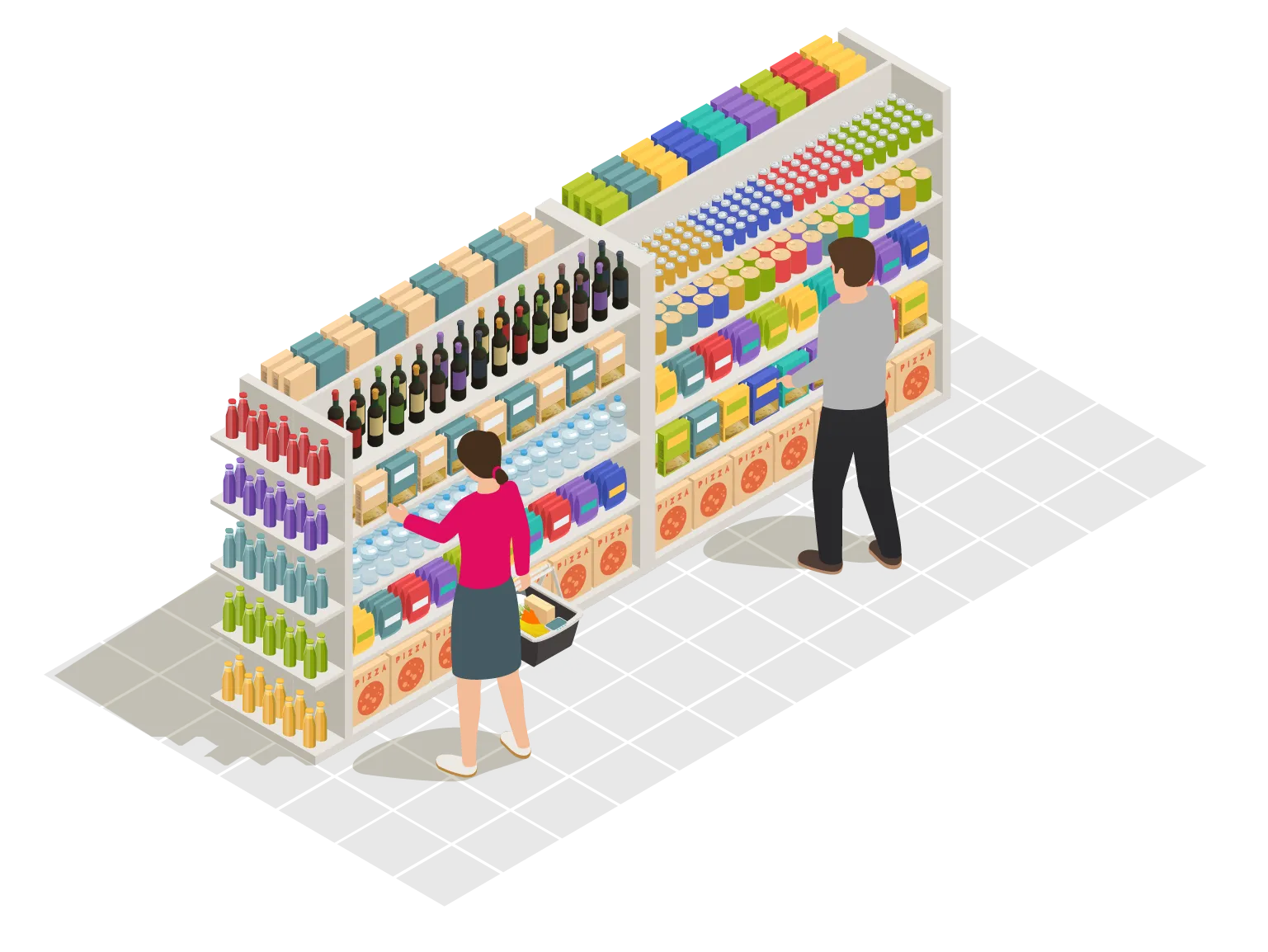
Shelf Test

The Shelf Test allows us to evaluate how consumers perceive products when displayed on shelves. This can be conducted in both real-world retail environments and simulated settings.

RESEARCH QUESTIONS:

  • What visual exploration patterns do participants use when looking at the shelf?
  • How does the product under testing perform? Does it stand out from competitors?
  • Where would be the optimal position for the product on the shelf?
  • Does the packaging capture consumer attention?

TOOLS: Eye Tracking / EEG / Mouse Click

image shelf test
image pack test

Pack Test

A test to evaluate the reactions evoked by the packaging in potential customers, regarding both material characteristics (shape, color, size, visibility…) and intangible ones (appeal, distinctiveness, message appropriateness…).

RESEARCH QUESTIONS:

  • Which characteristics and elements of the pack capture the most attention?
  • Is it possible to track specific visual exploration patterns?
  • Are the elements that define the pack’s communication being noticed?

TOOLS: Eye Tracking / EEG / Mouse Click

ADV test

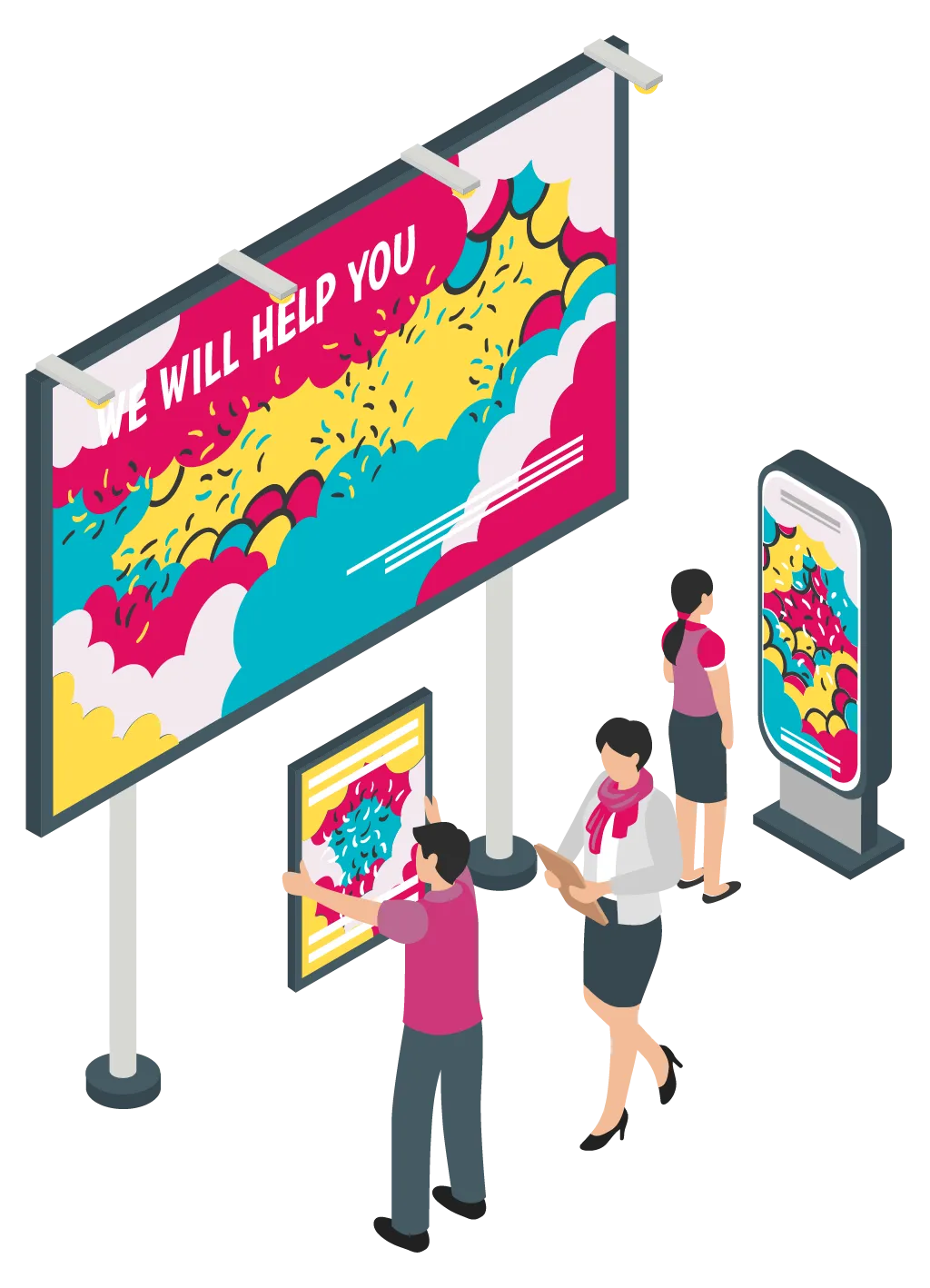
Allows for testing the effectiveness of an advertising campaign on the specific target audience.

RESEARCH QUESTIONS
:

  • What emotions are evoked by the ad?
  • How engaging is the advertisement?
  • Which communication components attract the most attention?
  • Do the most-noticed elements correspond to the key messages conveyed by the ad?

TOOLS: Eye Tracking / EEG / Face Emotion Recognition

image adv test
image shopper experience

Shopper Experience

A methodology that enables the evaluation of a complete shopping experience. This can be conducted in both physical and digital environments.

RESEARCH QUESTIONS:

  • Which elements attract the most attention when the customer enters the store?
  • How do customers explore the shop?
  • Is there a recurring visual pattern in shelf exploration?
  • Which elements in the environment most influence the purchase?

TOOLS: Eye Tracking / EEG / Mouse Click

IAT

The Implicit Association Test (IAT) allows for the measurement of automatic and unconscious attitudes that people hold toward specific concepts, brands, or products by analyzing reaction times.

RESEARCH QUESTIONS
:

  • Is the associative strength between the term “sustainability” and the tested product greater than that of the main competitor?
  • From an associative perspective, does the brand under analysis have a stronger positive emotional valence compared to a brand with a similar positioning?
image iat

Want to know more about how we conduct our tests and the platforms we use? Drop us a line at insights@srlabs.it

    2026 © SR Labs s.r.l. All Rights Reserved. P.IVA IT03283700965 – Informativa Privacy